Best Electric Utility Vehicles for Small Businesses

For small businesses every vehicle has to earn its keep. If most of your journeys are short local runs or trips around a site, a full-size van can mean paying for space, fuel and parking you don’t really need.

Electric utility vehicles offer an alternative, built to carry tools, materials, goods or people over short distances with lower, more predictable running costs.

In this guide, we look at which types of electric utility vehicle suit different small businesses, from road legal utility vehicles and waste management to platform trucks, what to check before you buy and how to make the investment work for your budget.


Why Small Businesses Are Choosing Electric Utility Vehicles

From local deliveries to work around your site, electric utility vehicles can be a smarter fit for small businesses. Here’s why:

  • Right Sized for the Work: Many small businesses spend most of the day making short local runs or moving around a single site. Electric utility vehicles are built for exactly that kind of use, and their compact size makes it easier to get through narrow streets and garden access routes, where a van may struggle.
  • Lower, More Predictable Running Costs: With far fewer moving parts than a petrol or diesel vehicle, EUVs typically need less routine servicing, and charging costs are often more predictable than fuel.
  • Quiet Operation and Low Emissions: EUVs let you work early, late or indoors with less disturbance to customers, guests or neighbours. That matters for businesses such as holiday parks, garden centres and local delivery services, and it helps support your sustainability goals too.


Which Electric Utility Vehicle Suits Your Small Business?

There is not one single “best” EUV for your small business. Instead, the answer depends on where you operate, what you carry and how far you’ll be travelling each day. Let’s compare some options:

Road Legal Utility Vehicles for Local Deliveries

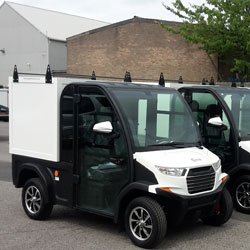
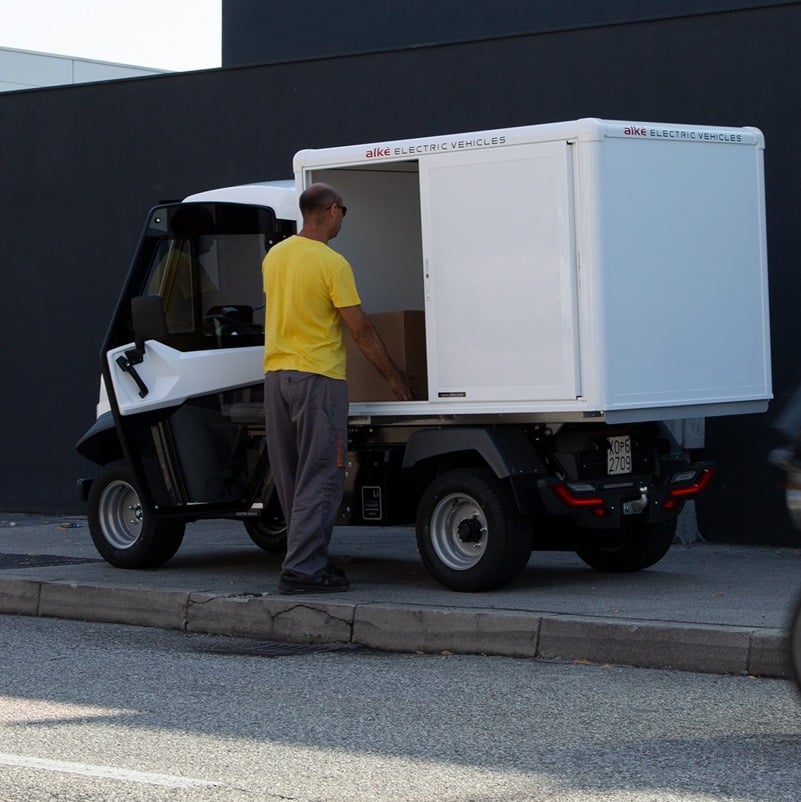
If you need to travel between sites or make local deliveries on public roads, a road legal EUV is the natural place to start. The EP AMP XL is compact enough for town centres, car parks and busy sites, while still carrying a useful load. It’s ideal for:

  • Local deliveries and collections
  • Trades carrying tools between jobs
  • Security and maintenance patrols
  • Holiday parks and university campuses


black and white refrigerated box truck

  • Power: Electric
  • Load capacity: 400kg
  • Towing capacity (off road): 150kg
  • Road legal: Yes
  • Cab features: Air conditioning and in-cab heater

Before you buy, check what licence your drivers will need and make sure the range covers your longest working day. Our guides on choosing a road legal EUV and whether you need a licence for an electric utility vehicle explain what to look for.


Off-Road and 4×4 Vehicles for Rural and Outdoor Businesses

Landscapers, small farms, equestrian centres or holiday parks often work on grass, gravel, mud and slopes, where a standard utility vehicle can struggle for grip.

The Pangea model uses four-wheel drive for extra traction and stability on uneven or wet ground. It’s ideal for:

  • Small farms and smallholdings
  • Equestrian yards
  • Estates, parks and outdoor attractions
  • Holiday parks with mixed terrain


  • Power: Electric
  • Load capacity: 200kg
  • Towing capacity: 500kg
  • Range: Up to 40 miles
  • Speed: 30 mph

Its lighter load capacity makes it better suited to carrying people, tools and smaller loads than heavy materials. For more on choosing a vehicle for rough terrain, read our off-road EUV buyer’s guide.


Platform Trucks for Workshops and Small Warehouses

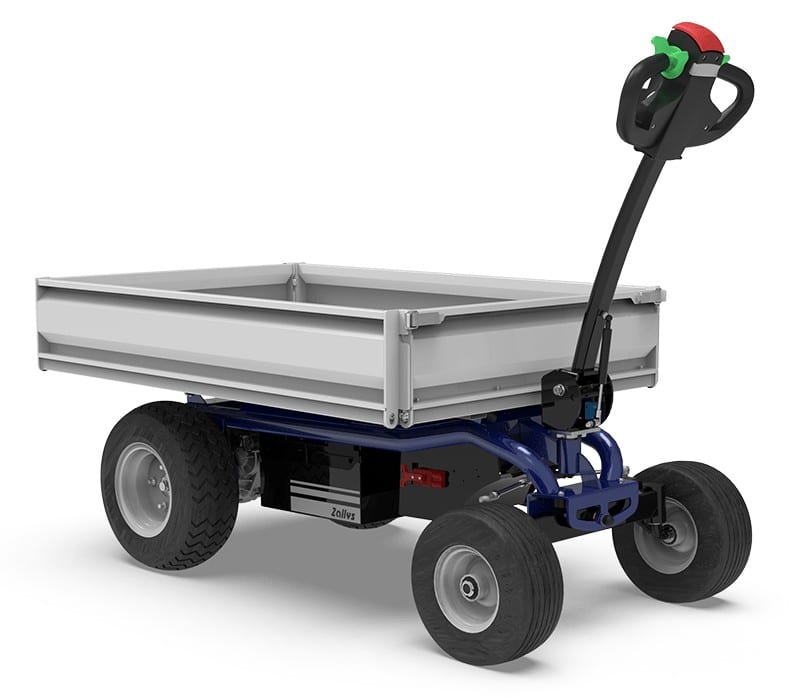
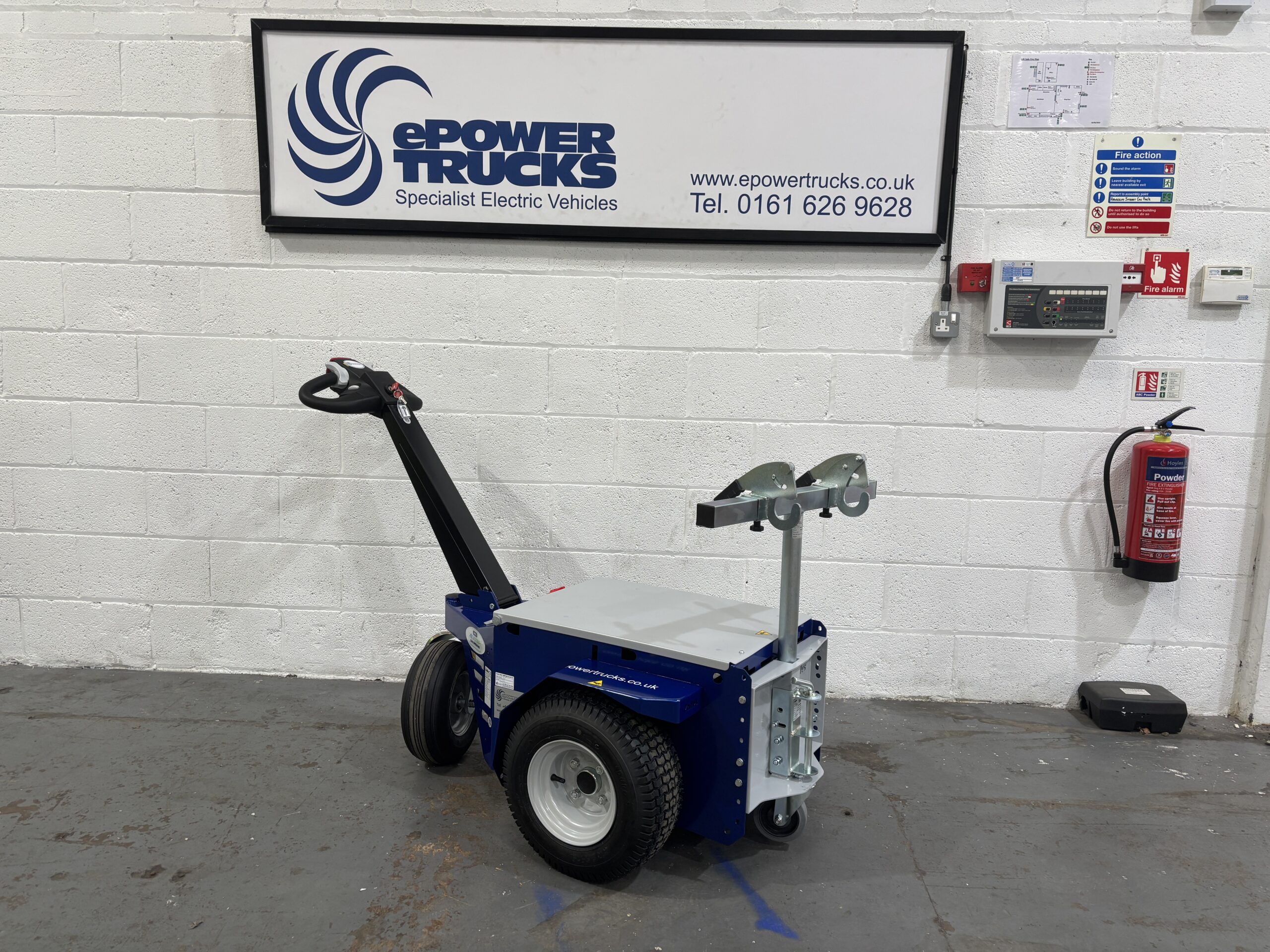
If your vehicle will stay on your own premises, you may not need a ride-on utility vehicle at all. The EP 500 is a pedestrian-controlled platform truck that carries stock, tools and materials around workshops and small warehouses, reducing the need for manual lifting and carrying. It’s ideal for:

  • Garden centres moving plants and stock
  • Workshops and small manufacturing units
  • Small warehouses and stockrooms
  • Retail back-of-house operations


  • Power: Electric | 24 Volt
  • Load capacity: 1,000kg
  • Range: 12 miles
  • Speed: 3 mph
  • Length: 1,672mm

For many small operations, this is a more affordable way to reduce manual handling than investing in a larger vehicle. Our guide to the best electric utility vehicles for warehouses covers more options.


Waste Vehicles for Cleaning and Facilities Businesses

For cleaning contractors or grounds maintenance teams that look after outdoor spaces, litter collection is a daily job that can be slow and physically demanding. The Ecarr is a compact, pedestrian-operated waste collector that makes it easier to keep paths, car parks and public areas clean, with quiet operation that is less likely to disturb customers, guests or residents. It’s ideal for:

  • Cleaning and grounds maintenance contractors
  • Holiday parks, resorts and outdoor attractions
  • Shopping centres and business parks
  • Early morning or evening cleaning in noise-sensitive areas
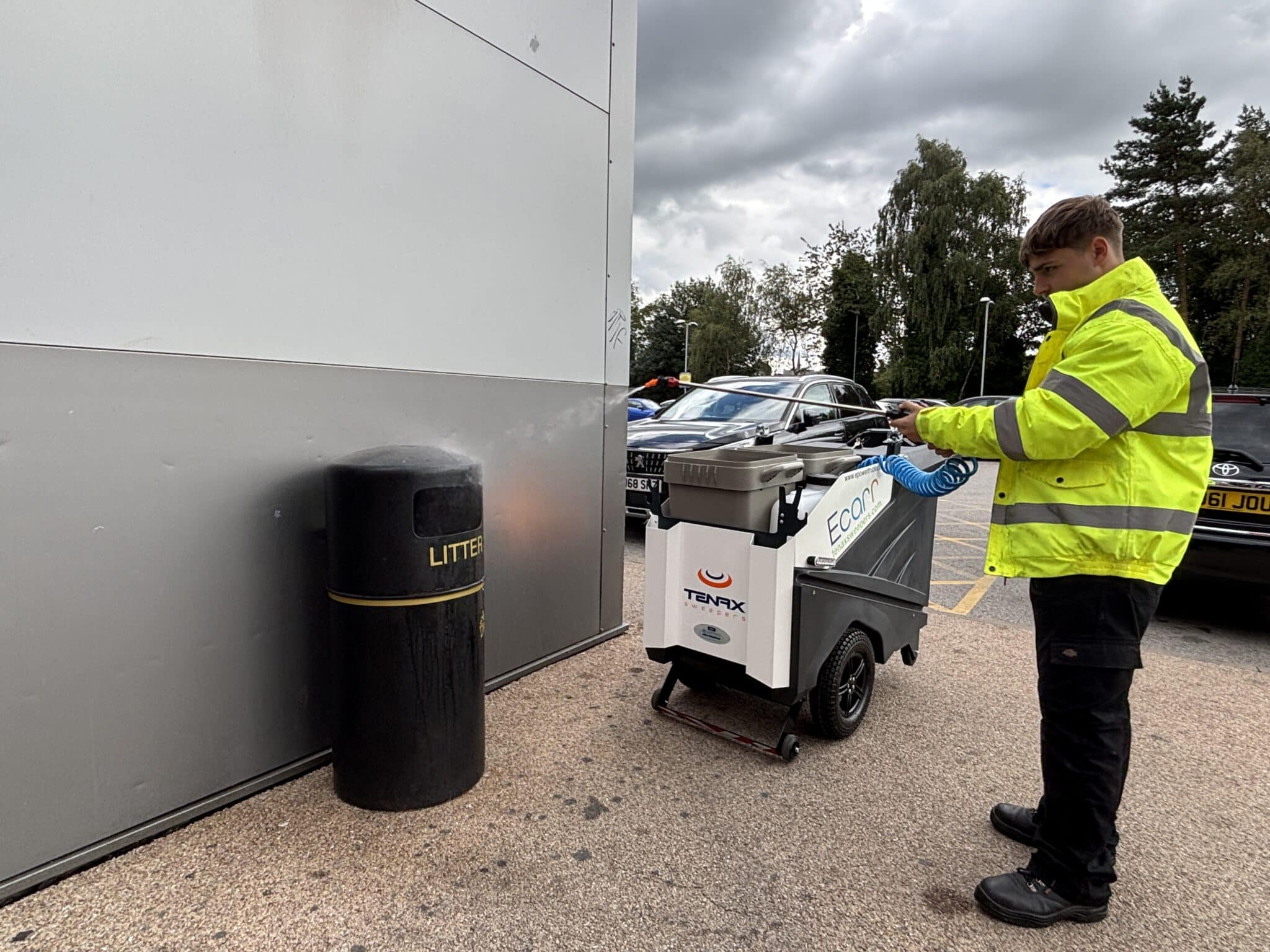


  • Power: Electric | 24 Volt LiFePO4 lithium
  • Waste hoppers: 2x 7 litre
  • Water tank: 50 litres
  • Runtime: 8–10 hours
  • Speed: 4 mph

At just 80kg, it’s light enough to handle easily across varied surfaces, while its all-day runtime means a single charge can cover a full shift. Explore our full range of waste management vehicles and street cleaning equipment for more options.


What to Consider Before You Buy

Once you know which type of vehicle suits your business, a few key factors will help you choose the right model:


Making the Numbers Work

The upfront cost of a new vehicle can be a barrier for small businesses, but buying outright isn’t the only option. We offer leasing and finance, and a used electric vehicle can be a cost-effective way to get started.

Once your vehicle is in service, our guide to keeping running costs low will help you get the most from it.


Find the Right EUV for Your Business

Whatever small business you run there’s an electric utility vehicle to suit the way you work. Browse our full range of electric utility vehicles or contact our team to discuss your requirements.
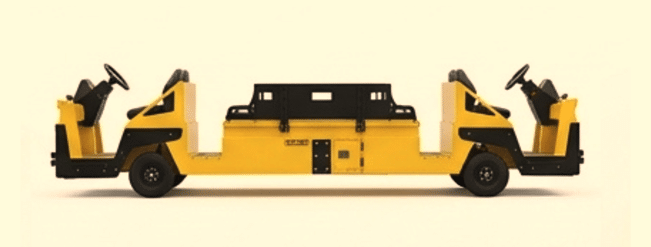
Four Custom Electric Vehicles Supplied for Major Tunnel Project

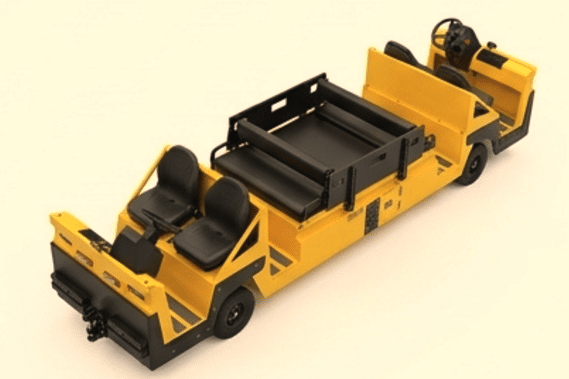
ePowerTrucks has supplied four custom-built electric tunnel maintenance vehicles for use on a major tunnel project.

The vehicles have been designed specifically for use inside the tunnel, where space is limited and conventional vehicles are not always practical.

A key feature of the vehicles is that they can be driven from either end. This means operators can change direction without having to turn the vehicle around, an important advantage when working in a confined tunnel environment.

Each vehicle has been built to meet the requirements of the project, with the specification tailored around the work they will be carrying out and the conditions they will be operating in.

Being electrically powered also makes the vehicles well suited to enclosed environments, providing a quieter alternative to conventional diesel-powered vehicles and avoiding exhaust emissions inside the tunnel.

The four vehicles will be used to support maintenance work throughout the project, transporting people, equipment and materials as required.

ePowerTrucks specialises in electric utility vehicles and has experience designing vehicles for applications where a standard off-the-shelf vehicle isn’t suitable.

More info on ePowerTrucks electric tunnel vehicles https://epowertrucks.builtbyoms.net/electric-tunnel-vehicles/

Another great delivery from the ePowerTrucks team

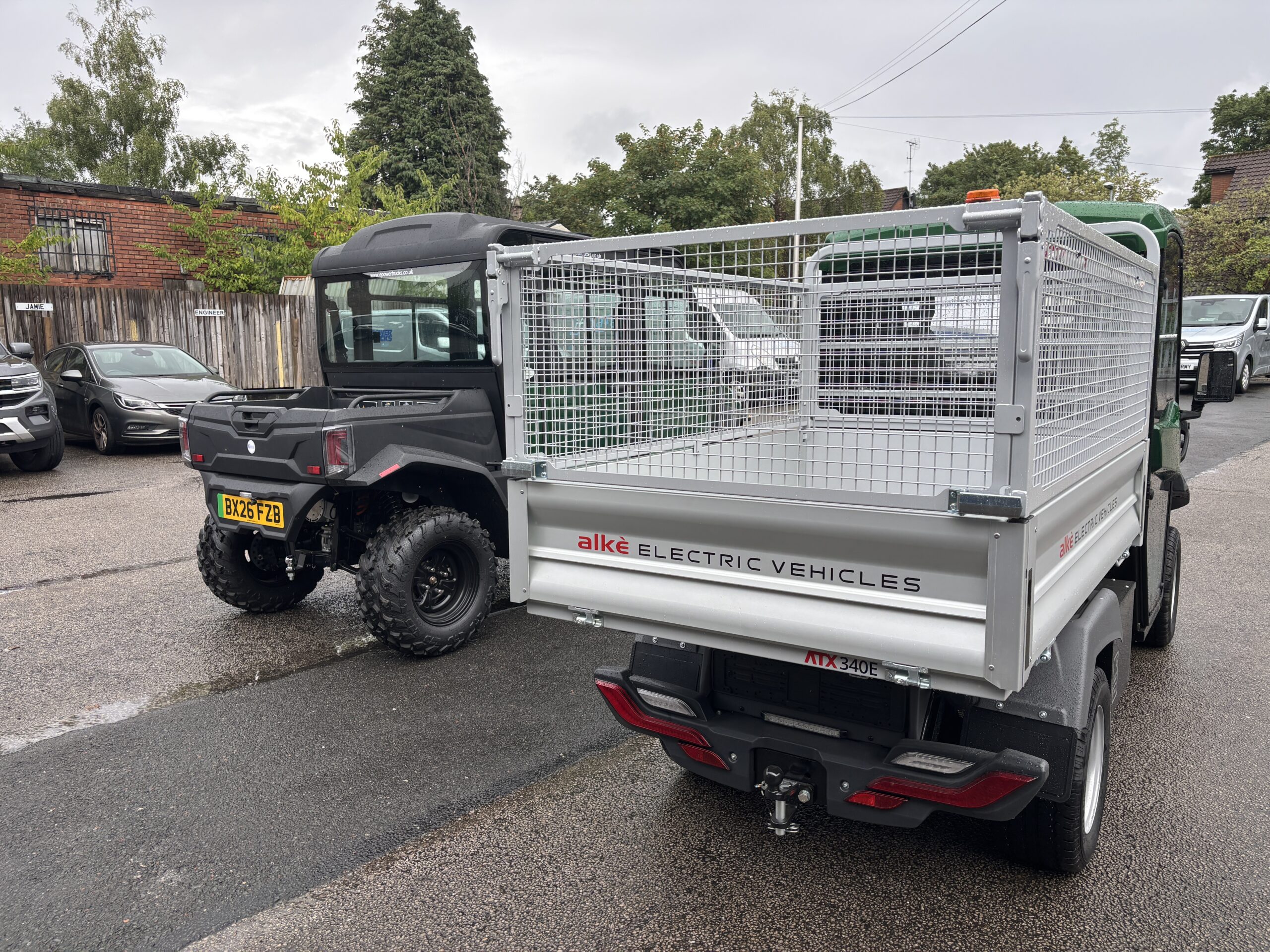
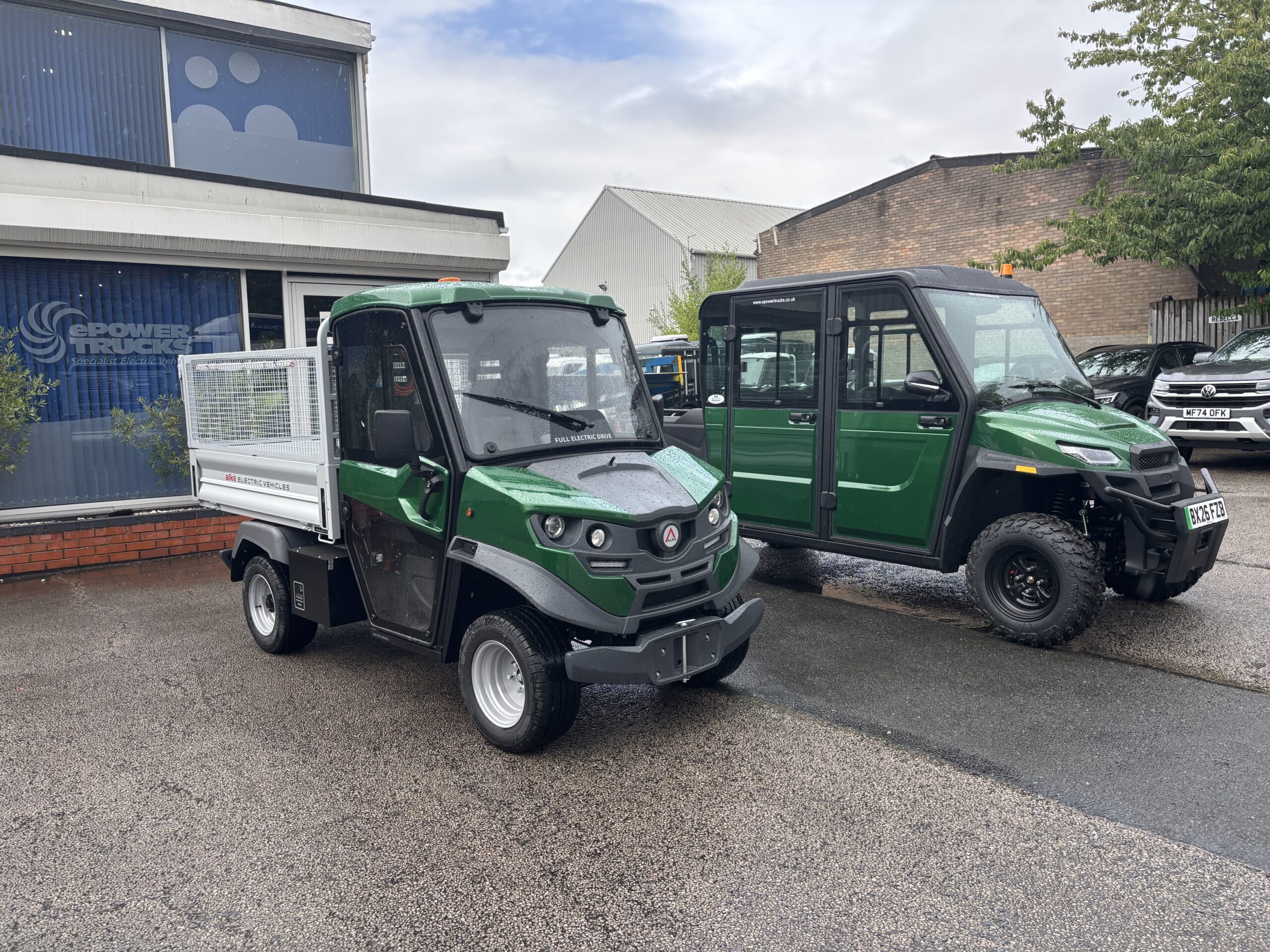
We recently supplied a Pangea 4 4×4 electric vehicle alongside an Alke 340 E to a major UK outdoor visitor destination.

What makes this delivery a little different is that both vehicles were specially manufactured in the customer’s own green colour, helping them match the organisation’s branding and existing fleet.

The Pangea 4 brings serious 4×4 capability, making it ideal for uneven ground and more challenging terrain. Alongside it, the Alke 340 E provides a practical and versatile electric vehicle for a wide range of everyday site duties.

When you’re operating across a large and varied site, having the right vehicle for the right job makes a real difference.

At ePowerTrucks, we don’t believe every customer should have the same solution. From vehicle specification and body options through to custom colours and branding, we can work with customers to create a vehicle that fits their operation.

 In this case, the customer now has two capable electric vehicles, each suited to different tasks, while both looking like part of the same fleet.

Electric vehicles don’t have to be off-the-shelf.

If you’re looking for an electric vehicle that can be tailored around your requirements, speak to the ePowerTrucks team.

Another Batch of Electric Vehicles Ready for Jet2.com and Jet2holidays

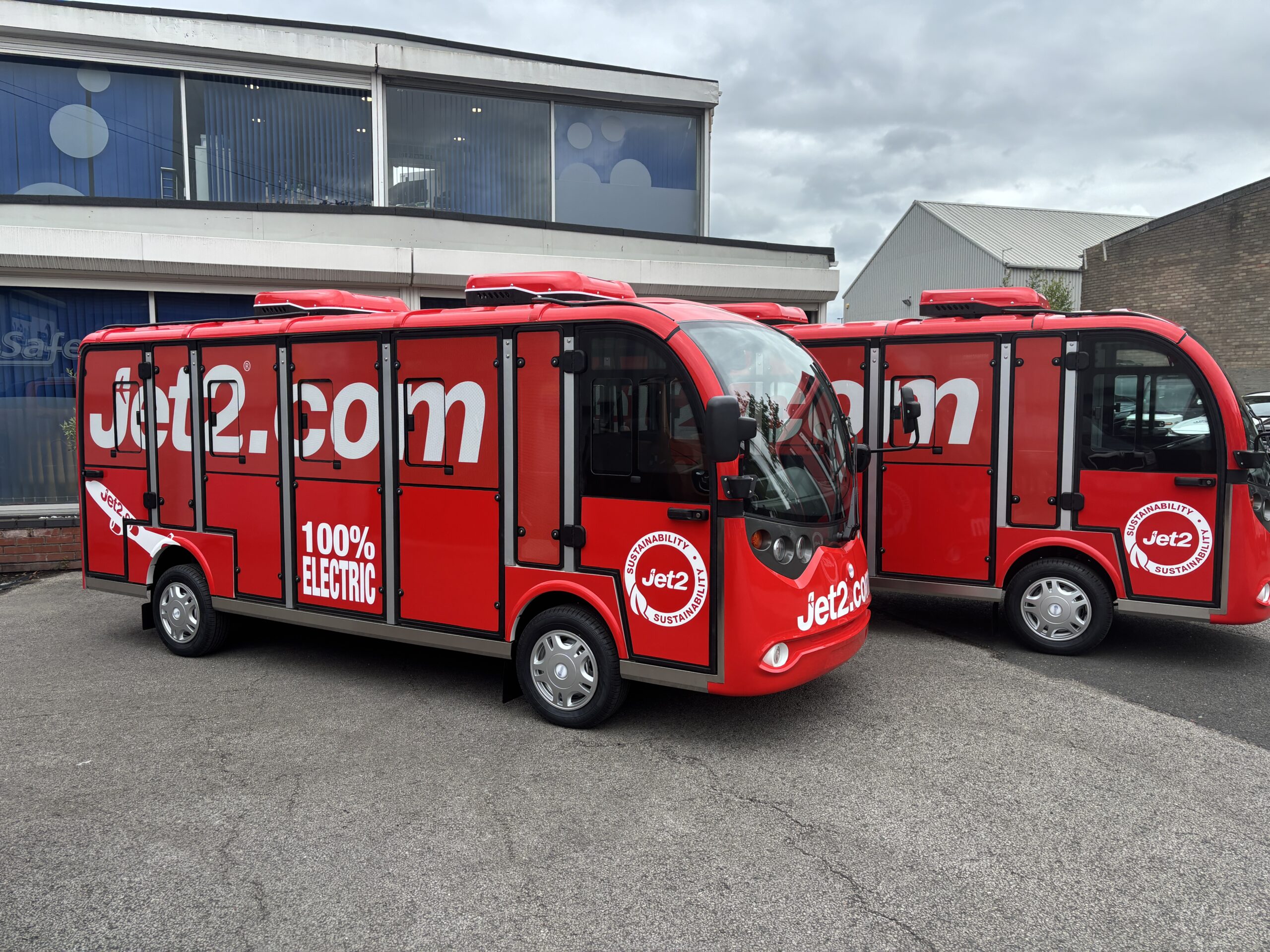
We’re pleased to see another batch of fully electric passenger vehicles ready to support Jet2.com and Jet2holidays at airports across the UK.

Supplied by ePowerTrucks, the vehicles will be used to support passenger and operational transport requirements at a number of airport locations, providing a practical, comfortable and more sustainable alternative to traditional petrol and diesel vehicles.

Electric vehicles are becoming increasingly important across the aviation sector, with airports and airlines looking for practical ways to reduce emissions and improve the sustainability of their ground operations.

The latest delivery builds on our continued relationship with Jet2.com and Jet2holidays, with ePowerTrucks vehicles already supporting their operations at airports across the UK.

We’re proud to continue providing reliable electric transport solutions to one of the UK’s leading leisure travel companies, helping their teams move passengers and staff efficiently around airport sites.

Thank you to Jet2.com and Jet2holidays for their continued business and for choosing ePowerTrucks for their electric vehicle requirements.

To find out more about our range of electric passenger vehicles and airport transport solutions, visit ePowerTrucks.

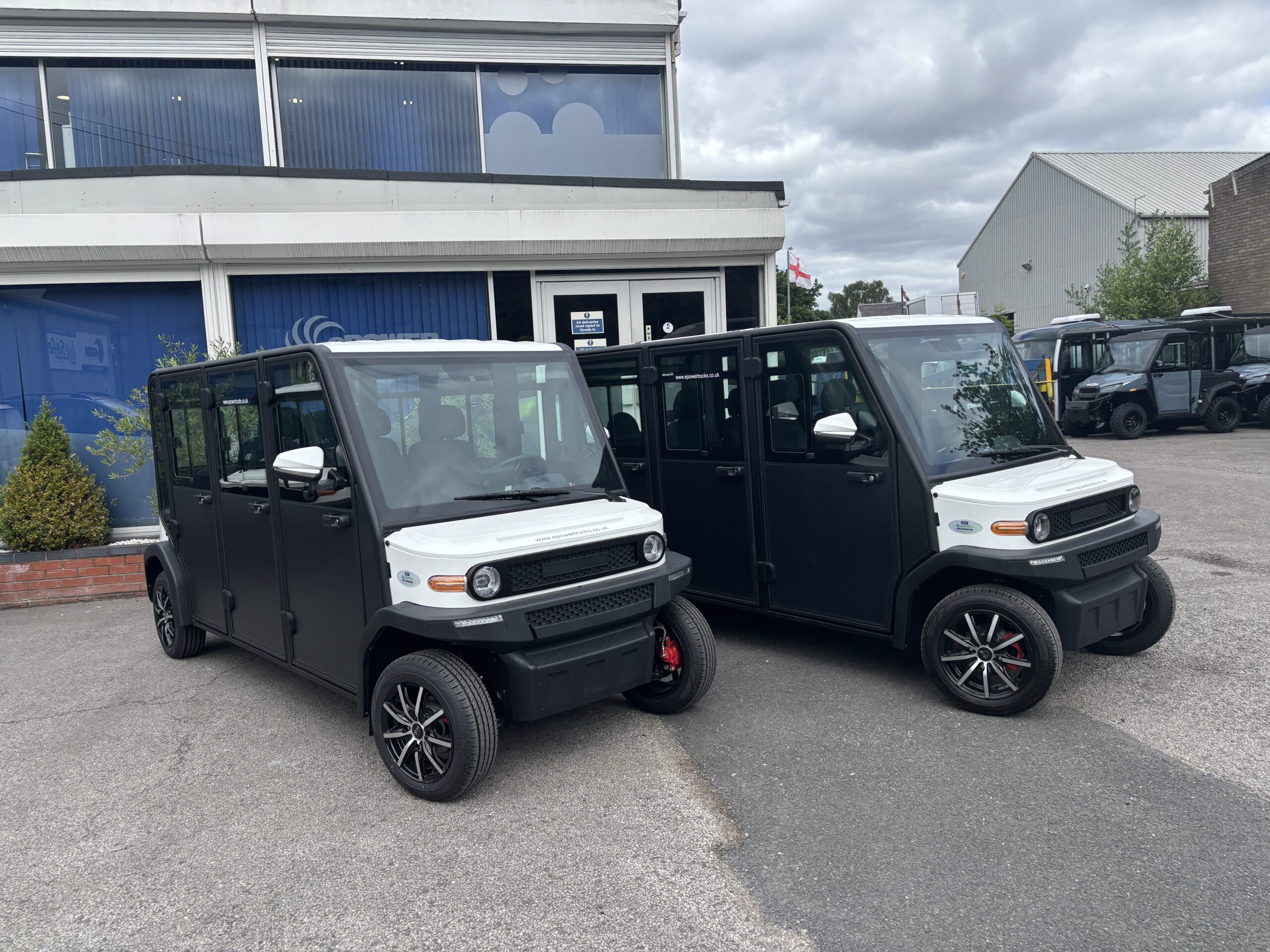
Two new EP AMP 6 vehicles heading to a luxury five-star resort in the North East!

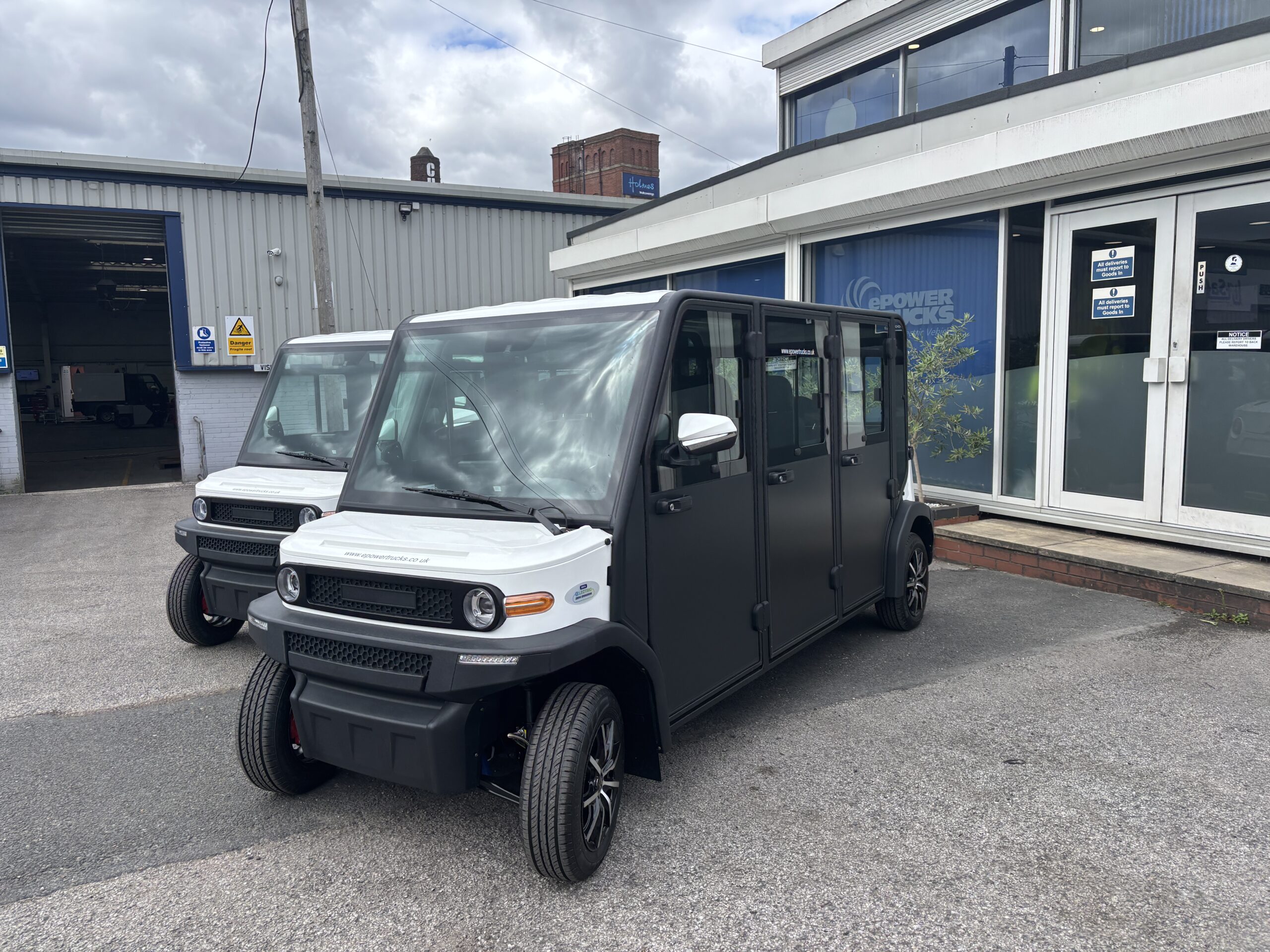
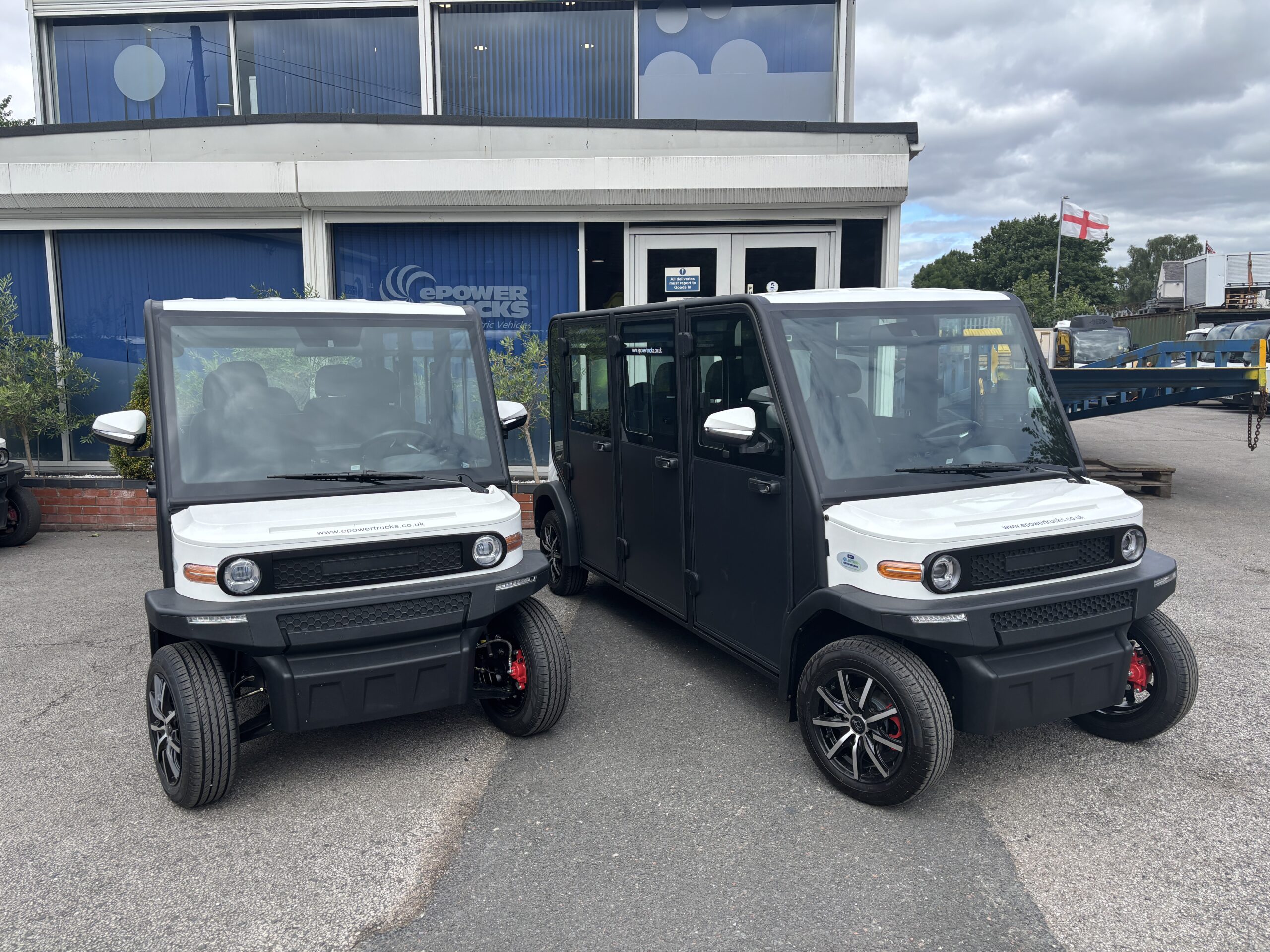
We’re delighted to have recently supplied two EP AMP 6 electric multi-passenger vehicles to a prestigious five-star resort in the North East of England.

Designed to provide comfortable, quiet and efficient passenger transportation, the AMP 6 is an ideal solution for luxury hospitality environments where both guest experience and operational efficiency are important.

The vehicles will help the resort transport guests and visitors around the site with ease, while the fully electric power system delivers quiet, zero-emission operation — perfect for maintaining the peaceful surroundings expected at a luxury destination. 🌿

With space for multiple passengers and a practical design suited to resort environments, the EP AMP 6 offers a flexible alternative to conventional petrol or diesel vehicles.

Another great example of how electric utility vehicles can support the hospitality sector while helping businesses move towards more sustainable operations.

🔗 Find out more about the EP AMP 6 Electric Multi-Passenger Vehicle: EP AMP 6

Different Types of Electric Utility Vehicles Explained

If you’re looking for an electric utility vehicle to carry tools, move materials, tow equipment or transport people around your site, you’ll quickly discover there isn’t a one-size-fits-all solution.

While many businesses start by searching for an electric utility vehicle, the right choice could just as easily be a platform truck, pedestrian tug, burden carrier or multi-passenger vehicle. Each is designed for a different job, and choosing the right one can improve productivity, reduce manual handling and make day-to-day operations much more efficient.

This guide explains the main types of electric work vehicles, when each is the right choice and the different configurations available, helping you find the best solution for your business.

Start With the Job, Not the Vehicle

Before comparing makes and models, think about what you actually need the vehicle to do.

Are you carrying equipment across a large site? Towing heavy trailers around a warehouse? Transporting maintenance teams between buildings? Or moving loose materials around a construction site?

Answering these questions first will quickly narrow down the options and help you choose a vehicle that’s designed for the way you’ll use it every day.


When Is an Electric Utility Vehicle the Right Choice?

An electric utility vehicle (EUV) is the most versatile option when you need to transport people, tools or materials over longer distances. They’re commonly used across farms, factories, business parks, airports, holiday parks, universities and industrial estates where operators regularly move between different parts of a site.

Unlike smaller material handling equipment, electric utility vehicles allow the driver to travel comfortably while carrying a useful payload, making them ideal for maintenance teams, grounds staff, facilities managers and site engineers.

One of the biggest advantages is flexibility. Depending on the application, an electric utility vehicle can be supplied with a range of body styles, including:

  • Flatbeds for transporting equipment and materials.
  • Tipper bodies for moving soil, gravel, green waste and loose materials.
  • Cage bodies for waste collection and recycling.
  • Enclosed rear bodies to protect valuable tools and equipment.
  • Double-cab models where additional passengers need transporting alongside equipment.

Many models are also available as road-legal or off-road vehicles, allowing businesses to choose a specification that suits both the terrain and the distances they need to cover.

If your team spends much of the day travelling around a site while carrying different types of equipment, an electric utility vehicle is often the most practical place to start.

When Should You Choose a Platform Truck?

If the main priority is carrying materials rather than transporting people, a platform truck can often be the better solution.

Instead of sitting inside the vehicle, the operator walks behind or alongside it while the load is carried securely on a flat platform. This makes platform trucks particularly useful in warehouses, hospitals, factories, distribution centres and other environments where space is limited and journeys are relatively short.

They’re commonly used for moving:

  • Stock and deliveries
  • Maintenance equipment
  • Waste and recycling
  • Laundry
  • Manufacturing components
  • Catering supplies

Platform trucks can also be configured to suit different jobs. Open decks provide maximum flexibility, while cage sides, enclosed boxes and specialist waste bodies help secure different types of loads.

If your operation involves regularly moving equipment around one site without the need for a ride-on vehicle, a platform truck is often a simpler and more cost-effective choice than a traditional utility vehicle.

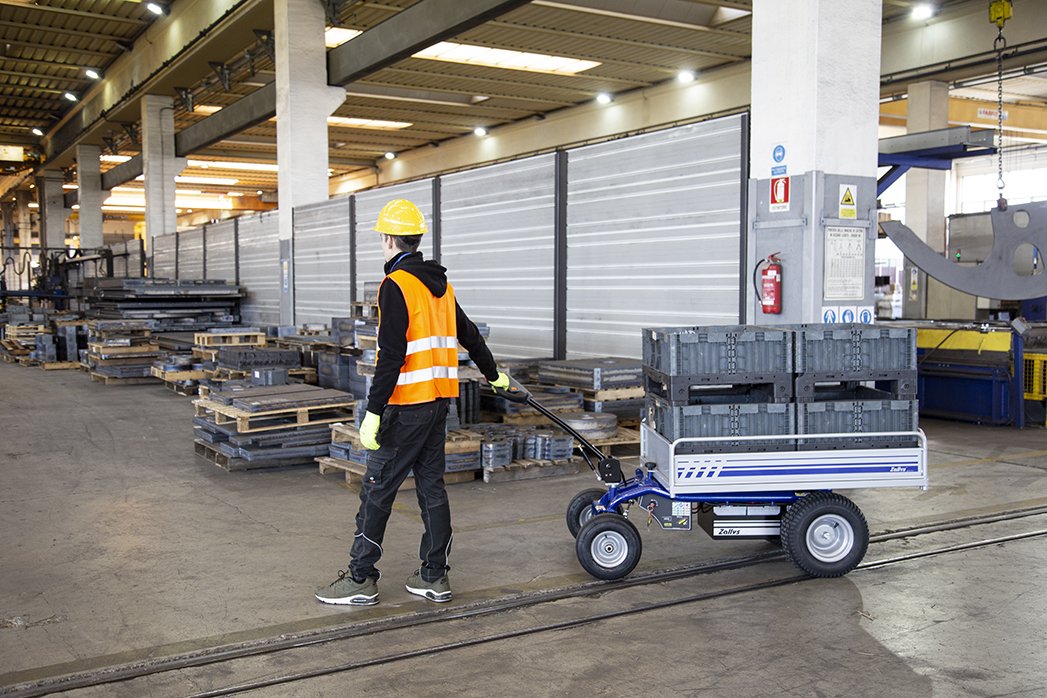
EP 500 Electric Platform Truck in Warehouse

When Does a Powered Wheelbarrow Make More Sense?

Sometimes even a platform truck is too large.

Landscaping projects, construction sites and agricultural work often involve uneven ground, narrow access routes and loose materials that need moving little and often throughout the day.

That’s where powered wheelbarrows come into their own.

Rather than replacing larger utility vehicles, they fill the gap between manual wheelbarrows and full-sized work vehicles, reducing the physical effort needed to transport loose materials like soil, gravel, sand, logs, plants and building materials.

Many models include powered tipping bodies, making unloading quicker while reducing manual lifting.

If you’re working in confined outdoor spaces where manoeuvrability matters just as much as carrying capacity, a powered wheelbarrow is usually the more practical option.

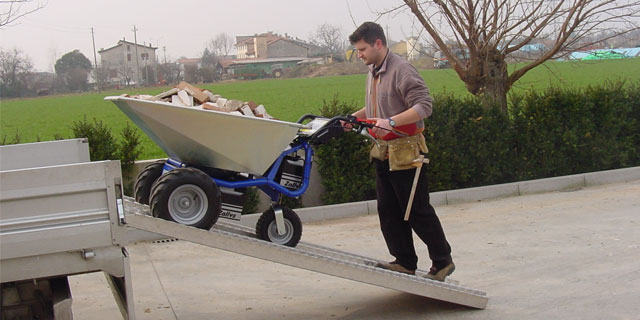
Man Using Wheel Barrow

When Should You Choose a Pedestrian Tug?

Not every load needs carrying.

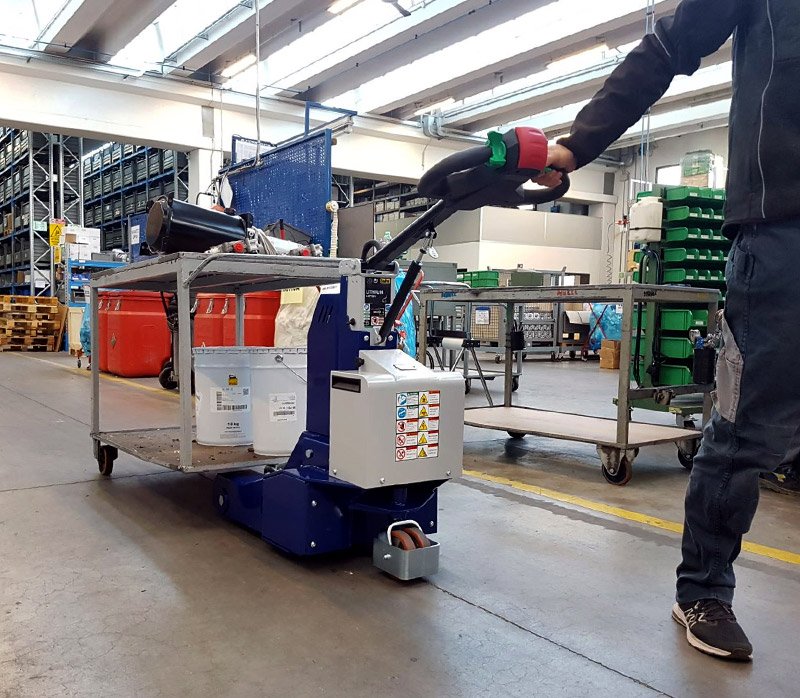
In many workplaces, the load is already sitting on wheels. Roll cages, trailers, hospital beds, production carts and waste bins all need moving, but manually pushing them over long distances can be physically demanding.

Rather than lifting the load onto another vehicle, a pedestrian electric tug connects directly to it and does the pulling for you.

These compact machines are widely used in warehouses, hospitals, manufacturing facilities, airports and logistics operations where heavy wheeled loads are moved throughout the day.

Because different businesses use different equipment, pedestrian tugs can be supplied with a variety of hitch and coupling systems to suit the trailers, cages or carts already being used on site.

If the load already has wheels, a pedestrian tug is often a more efficient solution than investing in a vehicle designed to carry it.

M 16 Electric Pedestrian Tug In Use

When Is a Ride-On Tow Tractor the Better Choice?

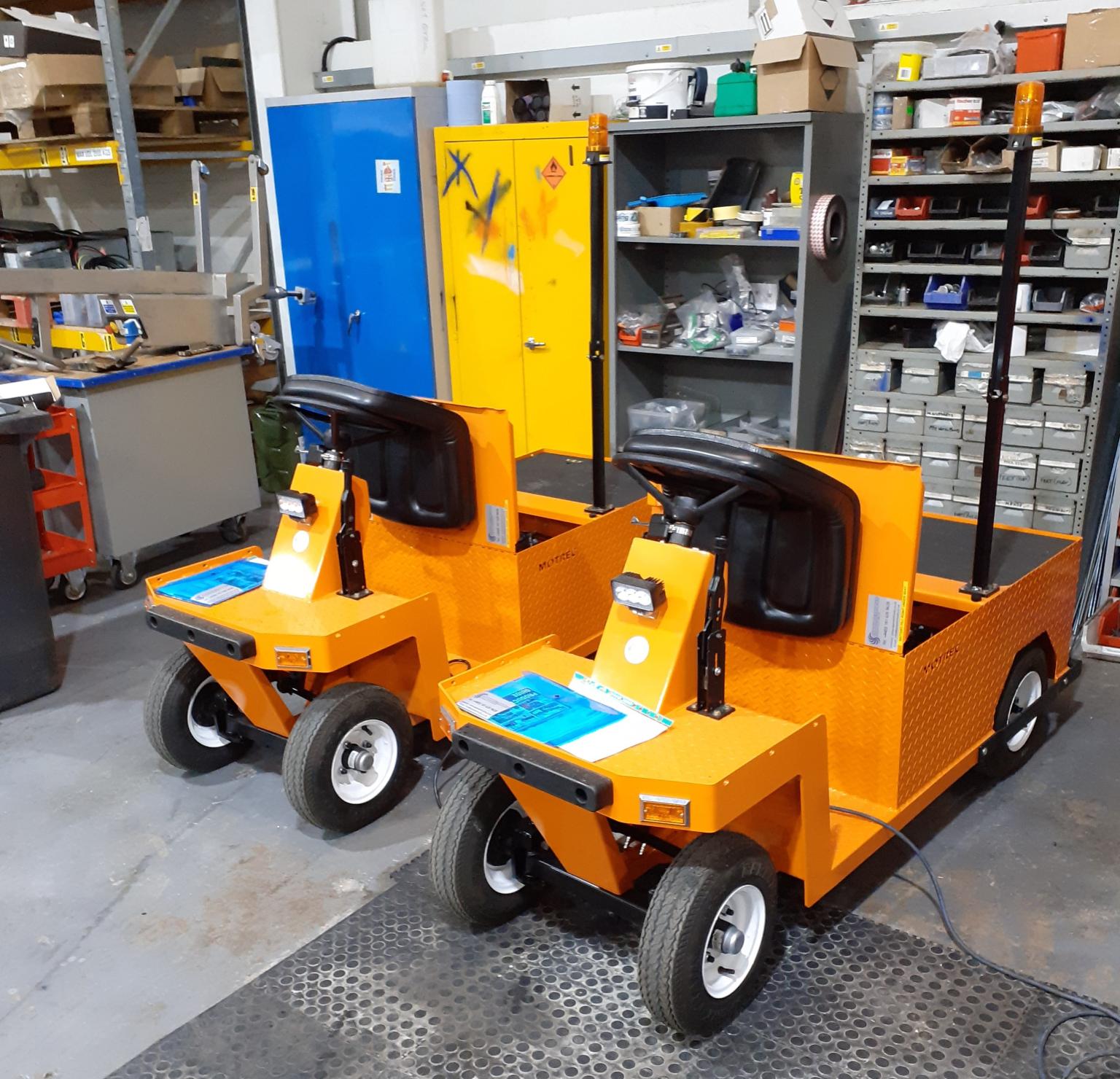
If your team is towing heavy loads over longer distances, a ride-on tow tractor can be a better investment than a pedestrian tug.

The principle is the same – the vehicle pulls a trailer, trolley or other wheeled equipment rather than carrying the load itself – but the operator drives the vehicle instead of walking alongside it. This makes it much better suited to larger sites where equipment is moved continuously throughout the day.

Ride-on tow tractors are commonly found in manufacturing plants, airports, distribution centres and other industrial environments where efficiency is key. They can also tow significantly heavier loads than many pedestrian tugs, making them ideal for repetitive, high-volume operations.

2 Orange e250 Electric Tugs

When Do You Need a Burden Carrier?

Some businesses need to do more than just carry or tow.

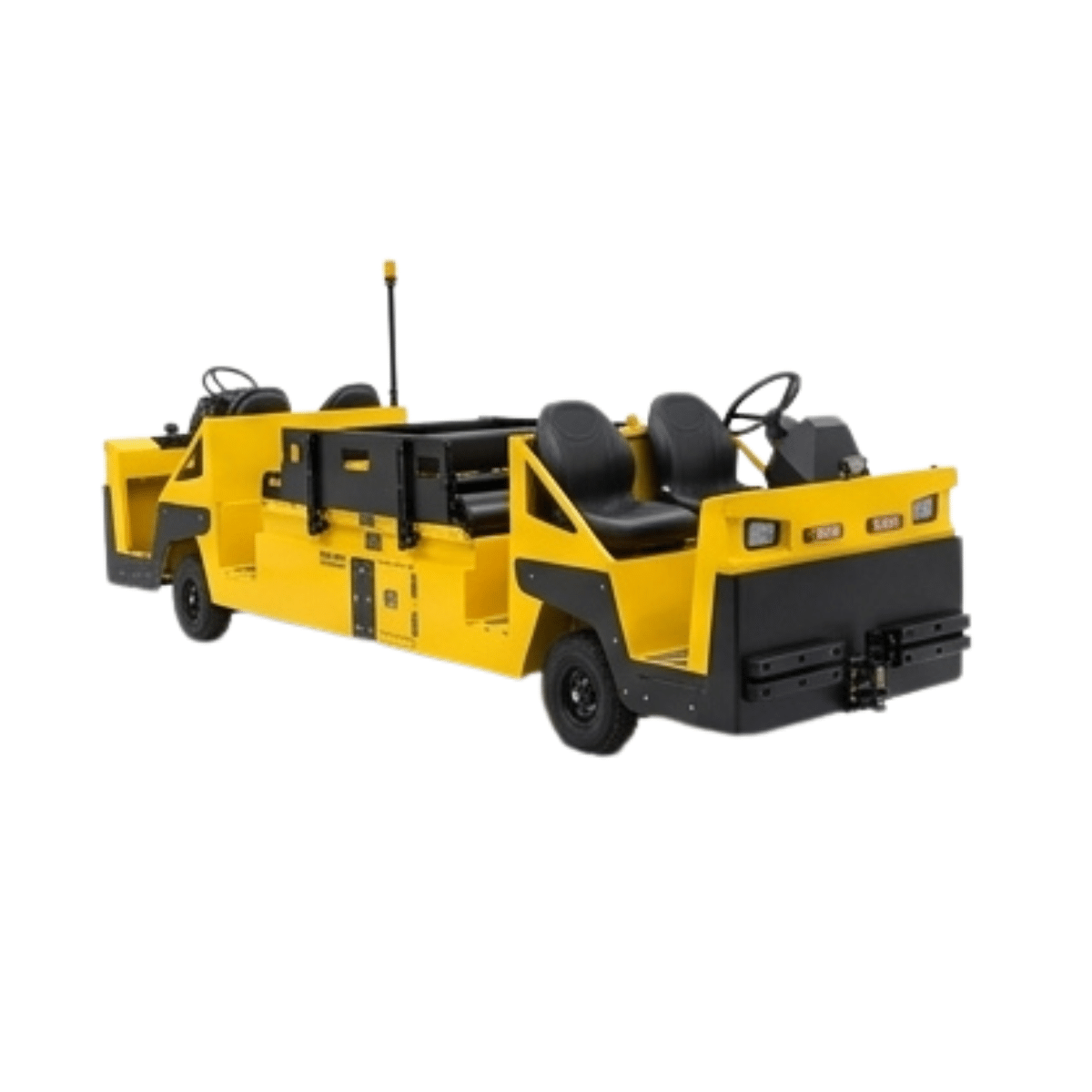
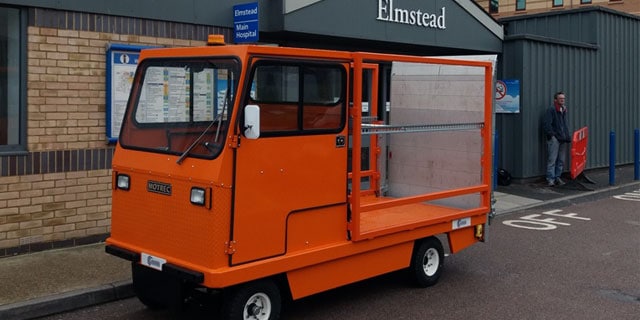
A burden carrier combines the best of both worlds, allowing operators to transport equipment on the vehicle while also towing additional trailers where required. This makes them incredibly versatile across large industrial sites where the work changes from one task to the next.

For example, a maintenance team may need to carry tools, spare parts and testing equipment while towing a trailer containing larger materials. Instead of using multiple vehicles, a burden carrier can often handle everything in one journey.

Available in a range of sizes and payload capacities, burden carriers are popular across manufacturing, aviation, warehousing, rail, defence and large private estates where flexibility is just as important as outright carrying capacity.

Burden Truck Front Side View

What’s the Best Electric Vehicle for Transporting People?

If your priority is moving people rather than equipment, a dedicated multi-passenger vehicle is usually the best option.

These vehicles are designed to safely and comfortably transport staff, visitors or guests around larger sites, making them a common sight at airports, universities, hospitals, holiday parks, theme parks, hotels, sports venues, National Trust Gardens and other visitor attractions.

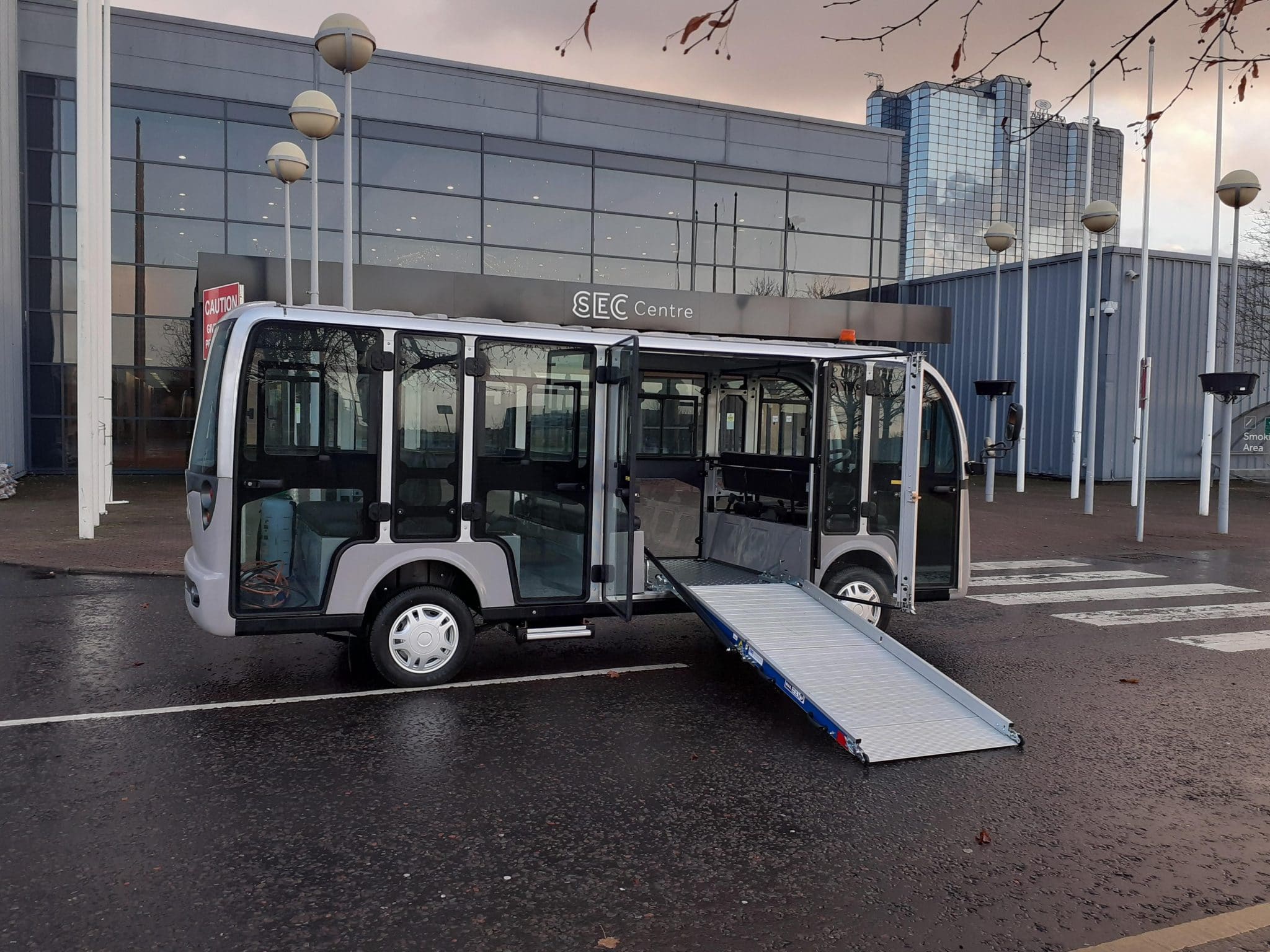
Depending on the application, passenger vehicles can be configured with different seating capacities, weather protection, wheelchair accessibility and luggage space, ensuring they suit both day-to-day operations and customer-facing environments.

They’re also a popular choice for organisations looking to improve accessibility while reducing the noise, emissions and running costs associated with traditional petrol or diesel transport.

EP 14 Electric Bus with accessibility ramp

Choosing the Right Configuration

Once you’ve identified the right type of vehicle, the next step is choosing a configuration that suits the work you’ll be carrying out.

A flatbed offers the flexibility to transport a wide variety of equipment and materials, while dropside bodies make loading and unloading quicker using forklifts or manual handling equipment. Tipper bodies are ideal for moving loose materials such as gravel, soil and green waste, while cage bodies help contain lighter loads like waste bags, parcels or landscaping materials.

You may also need to consider features such as double-cab seating, enclosed storage, specialist towing hitches or weather protection depending on how and where the vehicle will be used.

In many cases, selecting the right configuration can have just as much impact on productivity as choosing the vehicle itself.


Do You Need a Road-Legal or Off-Road Vehicle?

Another important consideration is where the vehicle will be operating.

If it needs to travel on public roads between sites, you’ll need a road-legal model that meets the relevant requirements. On the other hand, businesses working on farms, construction sites, estates or golf courses may benefit from an off-road or four-wheel-drive vehicle that’s designed to cope with uneven ground, mud and steeper gradients.

For indoor environments such as warehouses or manufacturing facilities, compact dimensions, tight turning circles and zero tailpipe emissions often become the priority instead.

Choosing a vehicle that’s designed for your operating environment will improve both performance and long-term reliability.


How to Choose the Right Electric Work Vehicle

With so many different options available, it’s easy to focus on specifications before thinking about the job itself.

Instead, start by asking a few simple questions.

  • Are you carrying materials, towing equipment or transporting people?
  • How much weight needs to be moved?
  • How far will the vehicle travel each day?
  • Will it be used indoors, outdoors or both?
  • Does it need to operate on rough ground or public roads?
  • Would a ride-on vehicle improve productivity, or is a pedestrian solution more practical?
  • Which body configuration will make loading, unloading and transporting materials easier?

Answering these questions first will usually narrow the choice considerably and help you invest in a vehicle that’s genuinely suited to your operation, rather than simply choosing the biggest or most powerful model available. If you aren’t able to answer these questions, get in touch with our team today and we’ll help talk through your requirements and recommend the electric vehicle that’s best suited to the work you need it to do.


Finding the Right Electric Vehicle for Your Business

There’s no single electric work vehicle that’s right for every business. The best solution depends on what you’re moving, where you’re working and how the vehicle will be used day after day.

Whether you need an electric utility vehicle, platform truck, pedestrian tug, burden carrier or passenger vehicle, choosing the right type from the outset can improve efficiency, reduce manual handling and lower operating costs over the long term.

If you’re unsure which solution is best for your application, speak to our team at ePower Trucks. We’ll take the time to understand your operation, recommend the most suitable vehicle and help configure it to meet the demands of your business.

Will Owning an Electric Utility Vehicle Increase My Energy Bills?

If you’re thinking about switching from a petrol or diesel utility vehicle to an electric model, it’s natural to wonder what impact it will have on your electricity bills. While an electric utility vehicle will increase the amount of electricity your site uses, that doesn’t necessarily mean your operating costs will increase overall.

In this guide, we’ll explain how much it costs to charge an electric utility vehicle, what affects those costs, how they compare with fuel-powered alternatives and how to estimate the running costs for your own business. We’ll also look at the wider picture, including battery size, charging infrastructure and the factors that have the biggest influence on day-to-day energy consumption.

Will an Electric Utility Vehicle Increase Your Energy Bills?

Charging an electric utility vehicle will increase your electricity bill because you’re using additional energy. However, electricity is only one part of the running cost.

For many businesses and estates, the increase in electricity costs is often offset by lower fuel costs, fewer moving engine components to maintain and the operational benefits/financial incentives that come with owning electric vehicles, such as queiter operation and zero tailpipe emissions.

So the real question is more around ‘will my overall operating costs go down when I switch to an electric utility vehicle?‘

In many applications, the answer is yes.


How Much Does It Cost to Charge an Electric Utlity Vehicle?

The cost will depend on the three main factors:

  • The size of the battery
  • How much of that battery you recharge
  • Your electricity tariff

The calculation itself is straightforward.

Battery energy (kWh) × Electricity price per kWh = Charging cost

For example, if a vehicle uses 10 kWh of electricity and your business pays 24p per kWh, a full recharge would cost around £2.40.

If the battery only needs half charging, the cost is roughly half that amount.

Although electricity prices vary between businesses, this simple calculation gives you a reliable way of estimating your own costs using the unit rate shown on your latest electricity bill.


Can You Charge an Electric Utility Vehicle from a Standard Plug Socket?

One of the biggest advantages of many electric utility vehicles is that they don’t necessarily require specialist charging infrastructure.

Many models can be charged using a standard 230V mains socket, making them easy to integrate into existing operations without major changes to your site. Simply park the vehicle at the end of the working day, connect the charger and leave it to recharge overnight.

Businesses operating larger fleets or using vehicles more intensively may choose to install dedicated charging points instead. These can reduce charging times, improve convenience and make it easier to manage multiple vehicles from a single location.

For many organisations, however, existing electrical infrastructure is often more than adequate for day-to-day charging.


How Long Does It Take to Charge an Electric Utility Vehicle?

Charging times vary depending on the vehicle, battery capacity, charger output and how much charge remains in the battery.

Rather than fully discharging the battery each day, most electric utility vehicles are simply topped up overnight after completing their daily workload. This means many vehicles begin every working day fully charged without affecting normal operations.


Your Electricity Bill Isn’t the Only Running Cost That Changes

One mistake businesses often make is looking only at the electricity cost without considering everything they’re replacing.

When moving away from petrol or diesel, you’re no longer paying for fuel every time the vehicle is used.

Depending on the application, you may also reduce ongoing maintenance associated with combustion engines, including oil changes, fuel filters, spark plugs, exhaust components and many of the routine servicing requirements that electric drivetrains simply don’t have.

That means a slightly higher electricity bill doesn’t necessarily translate into higher operating costs.

Instead, many businesses find they’re replacing one predictable expense with another that’s often easier to budget for.


Does a Bigger Battery Cost More to Run?

Larger batteries cost more to recharge from empty because they store more energy.

However, that doesn’t automatically mean they’re more expensive to own.

A business covering long distances every day may actually spend less over time with a larger battery because it avoids interruption, improves productivity and reduces the need for opportunity charging during working hours.

Choosing the right battery is about matching the vehicle to the job.

  • Too small and you’ll spend more time charging.
  • Too large and you may be paying for capacity you’ll rarely use.
  • The best solution is the one that comfortably completes your working day with enough reserve for unexpected journeys.


Why Do Two Businesses Pay Different Charging Costs?

Even if two companies own exactly the same electric utility vehicle, their energy bills may look very different. That’s because electricity consumption is heavily influenced by how the vehicle is used. Factors include:


Daily distance travelled

A maintenance team travelling a few miles around a holiday park will use considerably less energy than a grounds team covering a large university campus all day.


Payload

Carrying tools, equipment, materials or passengers requires more energy than operating an empty vehicle.


Towing

Many electric utility vehicles are designed to tow trailers, but heavier towing loads naturally increase energy consumption.


Terrain

Flat warehouse floors place far less demand on the drivetrain than muddy farms, construction sites or steep estates.


Driving style

Smooth acceleration and sensible driving generally improve efficiency compared with constant rapid acceleration and heavy braking.


Weather

Cold temperatures can temporarily reduce battery performance, while heating and air conditioning also consume energy.


All of these factors contribute to the amount of electricity you’ll ultimately pay to replace.


Can You Reduce the Cost of Charging an Electric Utility Vehicle?

Although electric utility vehicles are already economical to run, there are several ways to keep charging costs as low as possible.

  • Charge overnight where possible
  • Match the vehicle to the job
  • Kepe the vehicle well maintained
  • Consider renewable energy


How Much Could It Add to Your Monthly Electricity Bill?

Rather than thinking about individual charging sessions, it’s often more useful to estimate monthly usage.

For example, if a vehicle typically consumes around 10 kWh each working day and electricity costs 24p per kWh:

  • Daily charging cost: approximately £2.40
  • Monthly cost (22 working days): around £53

Double the energy usage and the cost roughly doubles.

For many organisations, that’s still considerably less than filling a petrol or diesel utility vehicle throughout the month.

The exact figures will always depend on your own electricity tariff and vehicle usage, but the calculation itself remains straightforward.


Running a Fleet? Here’s What to Consider

For businesses running a fleet, charging costs will depend on both the number of vehicles and how they’re charged.

Many organisations stagger charging overnight or between shifts to spread electricity demand and ensure every vehicle is ready for the next working day.

If you’re planning a larger fleet, it’s worth considering your site’s electrical capacity, charging infrastructure and future expansion plans before installing additional chargers.


Choosing the Right Electric Utility Vehicle Can Save More Than Electricity

Running costs aren’t determined by electricity prices alone. Instead, they’re influenced just as much by choosing the right vehicle for the job. Consider factors such as:

  • Daily mileage
  • Payload requirements
  • Towing capacity
  • Number of passengers
  • Terrain
  • Available charging facilities

Selecting a vehicle that’s properly matched to your operation helps maximise productivity while keeping long-term operating costs under control.


Conclusion

An electric utility vehicle will increase your electricity usage, but that does not automatically mean higher operating costs. Once reduced fuel spending, lower maintenance requirements and more predictable charging expenses are taken into account, many businesses find electric models are more economical to run over the long term.

The biggest factor is choosing a vehicle that suits your daily mileage, payload, towing requirements and working environment. Speak to the ePower Trucks team for practical advice on the most suitable model and charging setup for your operation.

The Best Off-Road Electric Utility Vehicles: A Buyer’s Guide

For businesses that regularly operate on challenging terrain, off-road electric utility vehicles have become an increasingly popular choice.

From farms and construction sites to National Trust properties, parks and estates, these vehicles need to perform reliably on muddy tracks, uneven ground and steep inclines where standard utility vehicles or conventional road vehicles may struggle.

Designed with features such as enhanced traction, robust suspension, durable construction and impressive towing capabilities, off-road electric utility vehicles are built to tackle demanding environments while maintaining productivity throughout the working day.

In this guide, we’ll explore some of the best off-road electric utility vehicles available from ePower Trucks, highlighting the features that make each model suitable for different industries, terrains and day-to-day applications.


What Should You Look For in An Off-Road Electric Utility Vehicle?

Choosing the best off-road electric utility vehicle starts with understanding your day-to-day requirements.  Different industries place different demands on utility vehicles, so considering how and where the vehicle will be used is just as important as comparing technical specifications. The terrain you work on, the loads you carry and the features you need will all play a role in determining which model is the best fit for your business.

Below, we explore some of the key characteristics to consider before making your decision.


Powerful Electric Torque

When working on steep slopes, uneven ground or muddy terrain, having enough power to keep moving is essential.

Electric utility vehicles deliver strong pulling power from low speeds, making it easier to climb hills, tow trailers and transport heavy loads across challenging terrain. This provides greater control when working in demanding environments and helps maintain productivity throughout the working day.

Robust Suspension

Travelling off-road means tackling uneven ground, potholes, rocks and ditches, all of which can affect the vehicle’s stability and comfort. A robust suspension system helps absorb these impacts, keeping the tyres in better contact with the ground for improved traction and control.

This not only gives the operator a smoother, more comfortable ride, but also helps reduce unnecessary strain on the vehicle when it’s used regularly on challenging terrain.

Durable Build Quality

Off-road environments can be tough on electric utility vehicles. Mud, water, dust, loose stones and uneven terrain all place extra strain on the vehicle and its components.

A durable chassis and high-quality construction help the vehicle withstand regular use in demanding conditions, while reducing the risk of unnecessary wear and tear.

For businesses that rely on their electric utility vehicle every day, this can help minimise downtime, reduce maintenance and keep operations running smoothly.

Traction & Ground Clearance

When working on uneven terrain, maintaining traction and having sufficient ground clearance are essential. Features such as four-wheel drive, suitable tyres and higher ground clearance can help improve grip, allowing the vehicle to tackle muddy tracks, loose gravel and obstacles more confidently.

Choosing the right vehicle for your working environment will help improve stability and keep you moving across challenging terrain.

Payload & Towing Capacity

From transporting tools, equipment and heavy materials to towing trailers across large sites, having an electric utility vehicle with a high payload and towing capacity is essential.

Choosing a model that can comfortably handle your day-to-day workload helps improve efficiency while reducing the need for multiple trips.

This not only saves time but also gives your business the flexibility to carry out a wider range of tasks with confidence.


Why Choose an Off-Road Electric Utility Vehicle?

Off-road electric utility vehicles offer a range of practical benefits for businesses working in demanding environments. They’re quieter to operate than petrol or diesel alternatives, produce no exhaust emissions during use and can help reduce routine maintenance requirements thanks to having fewer moving parts.

Whether you’re working on a farm, construction site or large estate, an electric off-road utility vehicle can provide a reliable, efficient solution for transporting people, equipment and materials across challenging terrain.


Our Top Off-Road Electric Utility Vehicle Picks

Now that you know what to look for in an off-road electric utility vehicle, it’s time to compare some of the best models available from ePower Trucks.

Whether you’re working on a farm, construction site or large estate, each of the vehicles below offers different strengths to suit a range of applications and working environments.


1. Pangea 4×4 Electric Utility Vehicle

If your priority is maximum off-road capability and navigating challenging terrain, the Pangea 4×4 EUV is one of our top recommendations.

Designed to tackle even the most demanding outdoor environments, the Pangea 4×4 EUV is an excellent choice for businesses that regularly work on challenging terrain.

Combining powerful electric performance with four-wheel drive, it’s built to navigate muddy fields, uneven tracks and steep inclines while transporting people, tools and equipment with ease.

Key features:

  • Four-wheel drive for enhanced traction on challenging terrain
  • Powerful 15kW electric motor
  • Available in two or four-seat configurations
  • Up to a 40-mile driving range
  • 200kg carrying capacity and 500kg towing capacity
  • Built to perform across muddy, uneven and challenging terrain

Best suited for:

  • Farms
  • Estates
  • Forestry
  • Parks & gardens
  • Grounds maintenance

Why we recommend it:

The Pangea 4×4 stands out for its excellent off-road capability, making it ideal for businesses that need reliable performance across challenging terrain.

Its combination of four-wheel drive, powerful electric performance and impressive carrying and towing capabilities makes it a versatile choice for a wide range of outdoor applications.


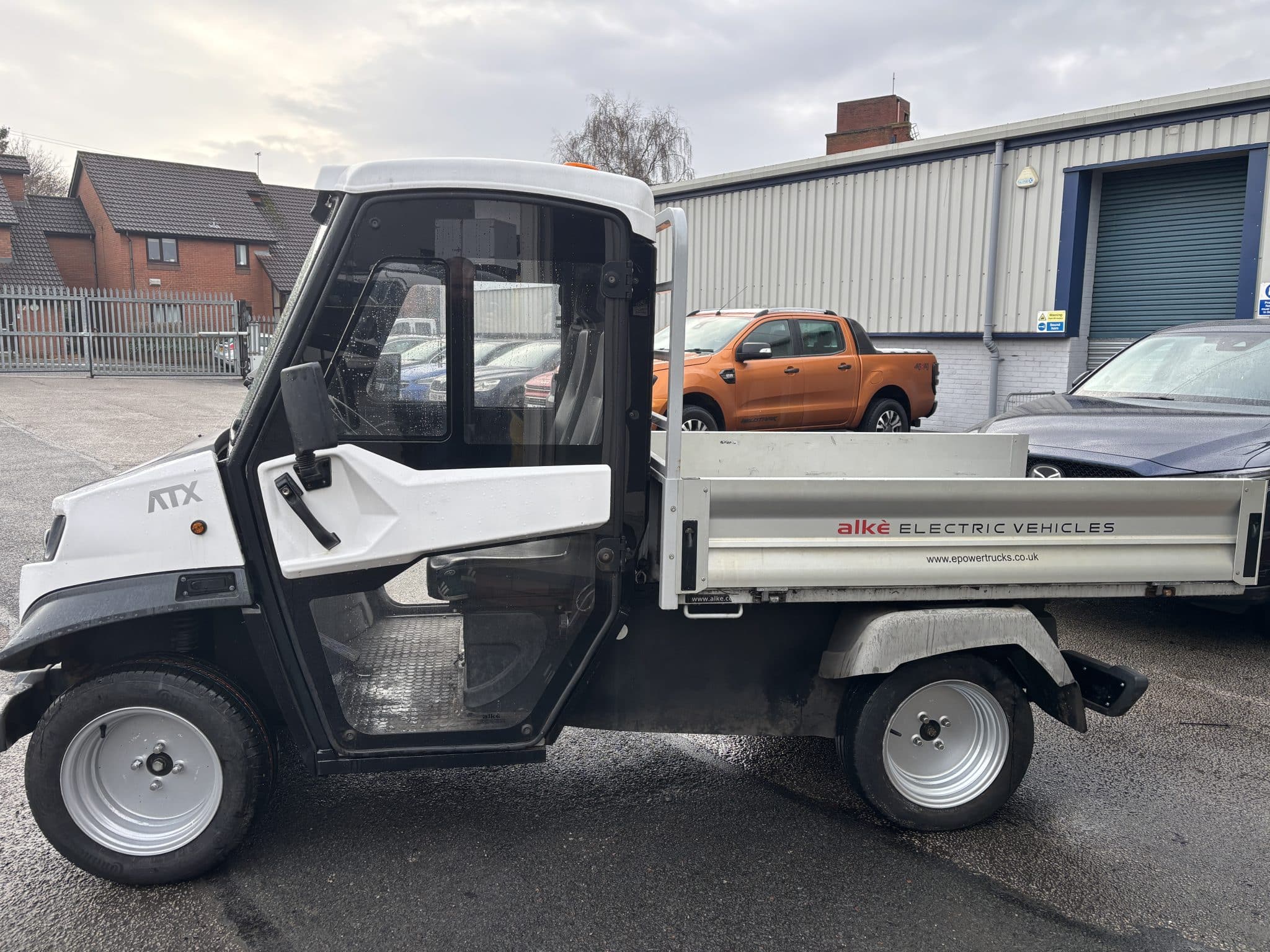
2. Alke ATX 340 E

Designed for demanding commercial environments, the Alke ATX 340 E is built to handle heavy-duty workloads both on and off-road.

Combining a powerful electric motor, MacPherson front suspension and a durable chassis, it delivers the strength and stability needed to perform reliably across challenging terrain.

Key Features:

  • Up to 100 miles of operating range for all-day performance
  • 1,630kg chassis capacity and 4,500kg towing capacity for transporting heavy equipment and materials.
  • Capable of tackling slopes of up to 35%, making it well suited to challenging terrain
  • MacPherson front suspension for improved stability and comfort on rough ground
  • Durable chassis built to withstand demanding commercial environments

Best suited for:

Why we recommend it:

The Alke ATX 340 E is a great choice for businesses that need more than just off-road capability.

Its high chassis and towing capacities make it particularly well suited to transporting heavy equipment, machinery and materials across large sites, while its long operating range and ability to tackle slopes of up to 35% ensure it can keep working in demanding environments throughout the day.


Choosing the Right Off-Road Electric Utility Vehicle

There isn’t one best off-road electric utility vehicle for everyone. The right choice will depend on the terrain you’re working on, the tasks you’ll be carrying out and your day-to-day operational requirements.

If your priority is tackling challenging terrain, steep slopes and muddy tracks, the Pangea 4×4 EUV is an excellent choice. However, if you regularly transport heavy equipment, tow trailers or need greater payload capacity, the Alke ATX 340 E may be better suited to your business.

Investing in the right off-road electric utility vehicle can improve productivity, reduce running costs and help your business operate more efficiently in demanding environments.

If you’re still unsure which off-road electric utility vehicle is right for your application, the team at ePower Trucks is on hand to offer expert advice and help you find the best solution for your requirements. Get in touch with our team today for expert advice, or explore our range of electric utility vehicles to find the right model for your business.


How Long Does an Electric Utility Vehicle Battery Last?

One of the most common questions customers ask when investing in an electric utility vehicle is, “How long does the battery last?”

The answer isn’t always straightforward, as people are often referring to two different things: how long the battery lasts on a single charge and how many years it will last before it needs replacing.

Modern electric utility vehicles are typically equipped with batteries designed to provide reliable, long-term performance. However, both battery runtime and overall lifespan can vary depending on factors such as usage, charging habits, terrain and maintenance.

In this guide, we’ll explain the difference between battery runtime and battery lifespan, what can affect both, and how to get the most out of your electric utility vehicle battery.


Battery lifespan vs Battery Runtime: What’s the Difference?

When we talk about battery life, we’re usually referring to one of two things: battery runtime or battery lifespan.

Battery runtime refers to how long an electric utility vehicle can operate on a single charge. Usually measured in miles or operating hours, this will vary depending on the vehicle, the terrain you’re driving on, the weather conditions and the loads you’re carrying.

Battery lifespan, on the other hand, refers to how long the battery is expected to last before it needs replacing. Usually measured in years or charge cycles, this is influenced by factors such as usage, charging habits and ongoing maintenance.


What Affects the Lifespan of an Electric Utility Vehicle Battery?

There isn’t one fixed lifespan for an electric utility vehicle battery. How long it lasts will depend on a range of factors, including the type of battery, how often the vehicle is used and how well it’s maintained.

Like any battery, it’s natural for performance to gradually reduce over time. However, with the right charging habits, regular maintenance and appropriate use, modern electric utility vehicle batteries are designed to provide reliable performance for many years.

Below, we explore some of the main factors that can affect battery lifespan and what you can do to maximise its service life.


Battery Type

The type of battery fitted to your electric utility vehicle has a greater influence on its lifespan than you might think. Most electric utility vehicles are available with either lithium-ion or lead-acid batteries, each offering different characteristics and expected service lives.

While both can provide reliable performance, lithium-ion batteries generally last longer and require less maintenance than lead-acid batteries, although the exact lifespan will vary depending on the battery quality, application and charging practices.

If you’re unsure which battery type is right for your application, read our guide on comparing lithium-ion and lead-acid batteries.

Charging Habits

Looking after your battery starts with the way you charge it. Following the manufacturer’s charging recommendations and using the correct charger can help maximise battery performance while supporting a longer service life.

Avoiding unnecessary overcharging or allowing batteries to remain fully discharged for long periods, where applicable to the battery type and manufacturer’s guidance, can also help maximise battery life.

Terrain & Workload

The harder your vehicle works, the harder the battery works. From consistently carrying heavy loads to towing trailers across rough, uneven terrain and steep inclines, more demanding applications like farm work naturally place greater demands on the battery.

Electric utility vehicles are designed to perform in these demanding environments. However, following the correct charging practices and keeping up with regular maintenance will help maximise battery performance and support a longer service life.

Maintenance

Like any vehicle, electric utility vehicles require regular maintenance to help maximise their service life. Routine servicing can help identify potential issues early, with battery inspections carried out where appropriate.

Keeping up with the manufacturer’s recommended maintenance schedule will help keep both the battery and the vehicle performing reliably for longer.

Temperature

Extremely hot and cold temperatures can affect battery performance and, over time, contribute to battery degradation. Storing and charging your electric utility vehicle in line with the manufacturer’s recommendations can help protect battery health and maintain reliable performance throughout the year.


How to Maximise the Lifespan of Your Electric Utility Vehicle Battery

While battery lifespan will naturally vary depending on how the vehicle is used, there are several simple steps you can take to help maximise its service life and keep it performing reliably for longer.

  • Follow the manufacturer’s charging guidance – The manufacturer knows the vehicle and its battery best, so following their recommended charging guidance is one of the simplest ways to help maximise battery performance and service life.


  • Use the correct charger – Always use the charger recommended for your electric utility vehicle to help ensure safe, efficient charging and support long-term battery performance.


  • Keep up with routine maintenance – Regular servicing can help identify potential issues before they become bigger problems, helping to keep both the battery and the vehicle performing reliably for longer.


  • Use the vehicle within its intended capacity – Choosing a vehicle that’s suited to your workload, whether that’s a platform truck, street cleaning vehicle or utility vehicle, and avoiding consistently exceeding its recommended payload or towing capacity can help reduce unnecessary strain on the battery and other components.


  • Address issues early- If you notice reduced battery performance, longer charging times or any other changes in how your vehicle operates, having it checked promptly can help prevent more significant issues from developing.


Signs Your Electric Utility Vehicle Battery May Need Replacing

Like everything we own, batteries naturally degrade over time. This doesn’t mean that they fail suddenly, there are usually signs that performance is beginning to decline.

Common signs include:

  • Reduced operating time – The battery life no longer lasts as long as it used to.
  • Longer charging times – The charging time takes noticeably longer than normal.
  • Reduced performance – The vehicle may feel less responsive, particularly under heavier workloads or on inclines.
  • Difficulty holding charge – The battery loses charge more quickly, even after a full recharge.

If you notice any of these signs, it doesn’t necessarily mean the battery needs replacing immediately.

Having your vehicle inspected by a qualified professional can help identify the cause and determine the most appropriate solution.


Conclusion

While there isn’t one fixed lifespan for an electric utility vehicle battery, following the correct charging guidance, keeping up with regular maintenance and choosing the right battery for your application can all help maximise its service life.

At ePower trucks, we supply a wide range of electric utility vehicles designed to deliver reliable, long-term performance across a variety of industries. Whether you’re looking for advice on repair and maintenance or choosing the right vehicle for your business, our experienced team is here to help.

Get in touch with ePower Trucks today to discuss your requirements or explore our range of electric utility vehicles to find the right solution for your business.

Jobmaster HD Pedestrian Tug Supplied for Facilities Management Application

Another tailored material handling solution delivered by ePowerTrucks.

We recently supplied an Jobmaster HD pedestrian electric tug complete with a 240-litre bin attachment to a major North West-based facilities management provider, supporting their customer’s operational requirements.

Designed to improve efficiency, reduce manual handling risks and enhance workplace safety, the Jobmaster HD offers a practical and reliable solution for moving loads with ease.

We’re pleased to support organisations in finding the right equipment to improve productivity and create safer working environments.