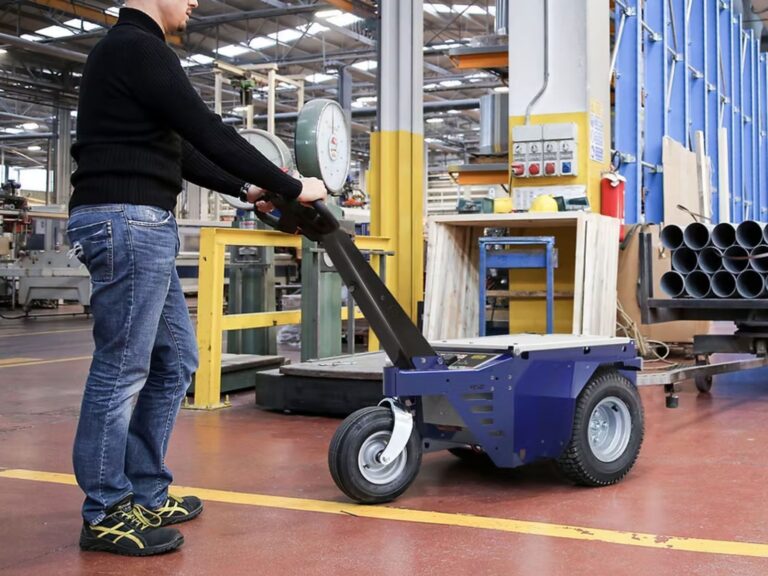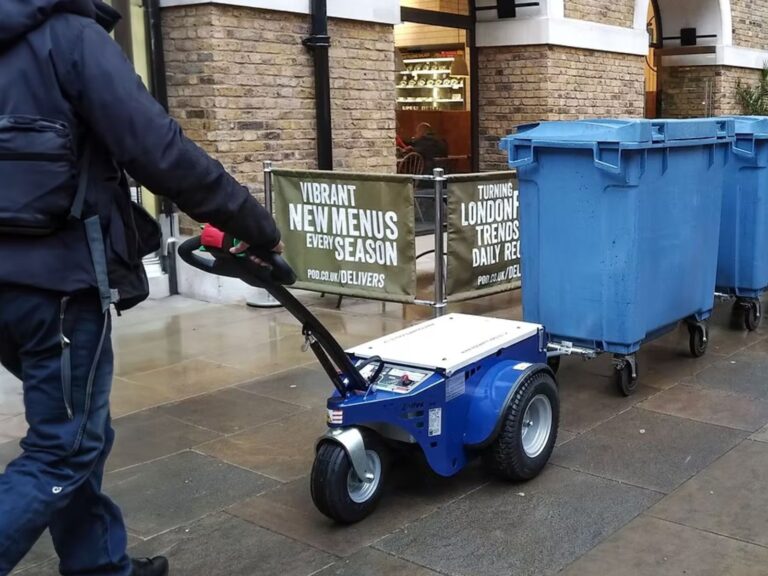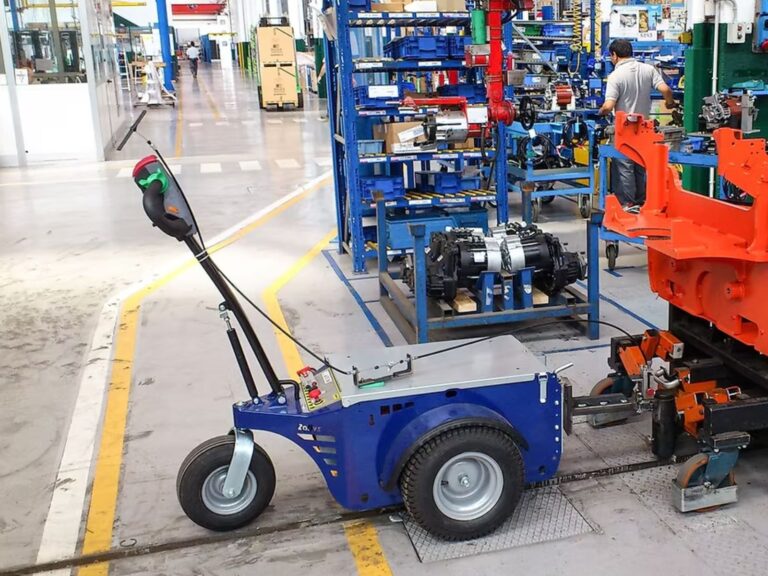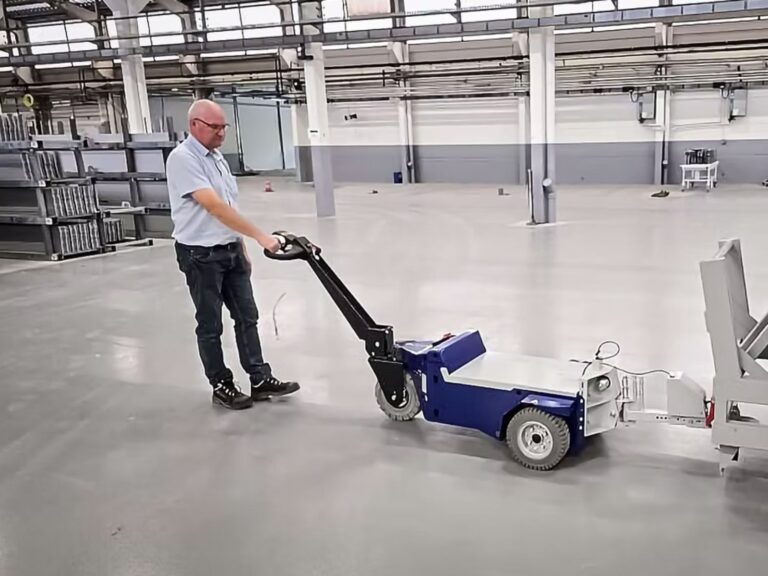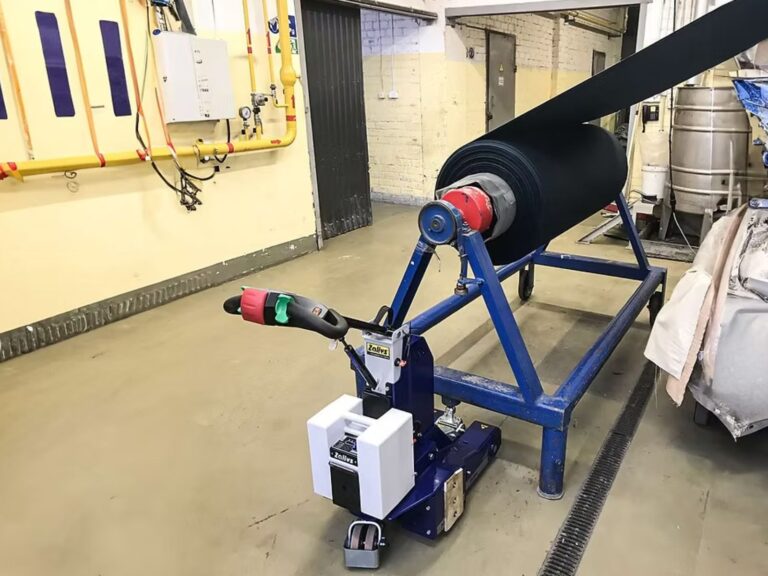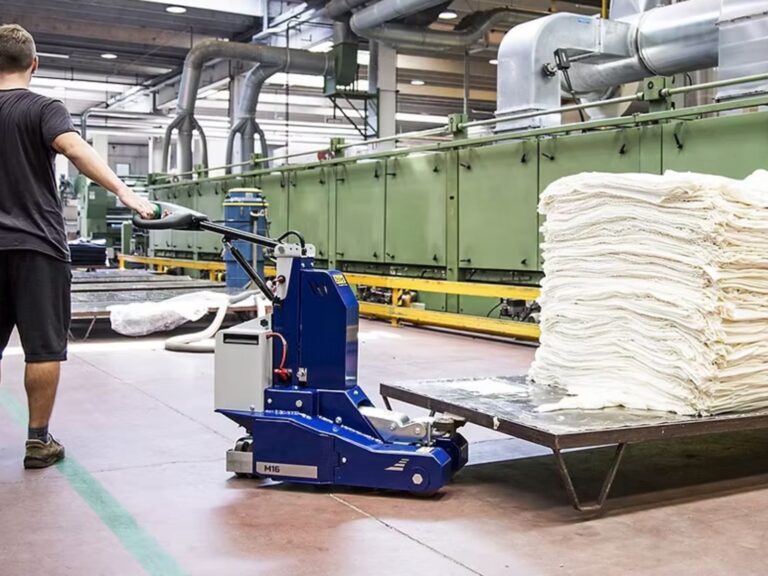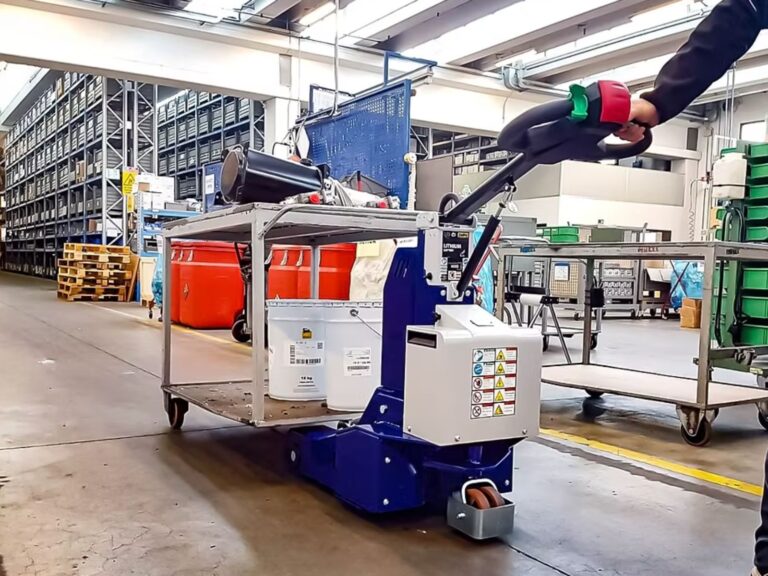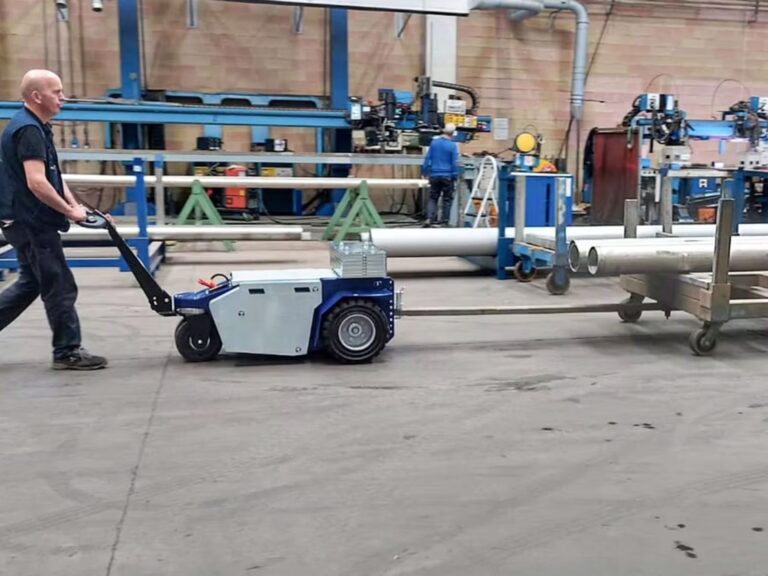
M 12 Electric Pedestrian Tug
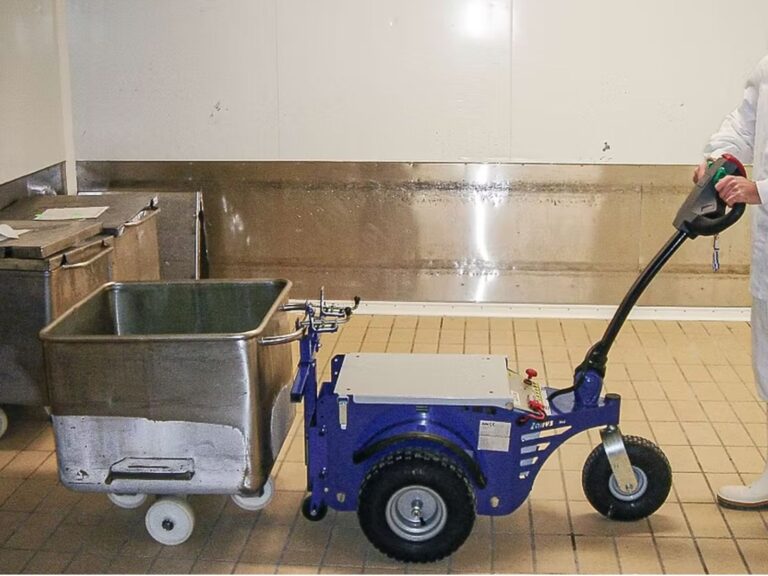
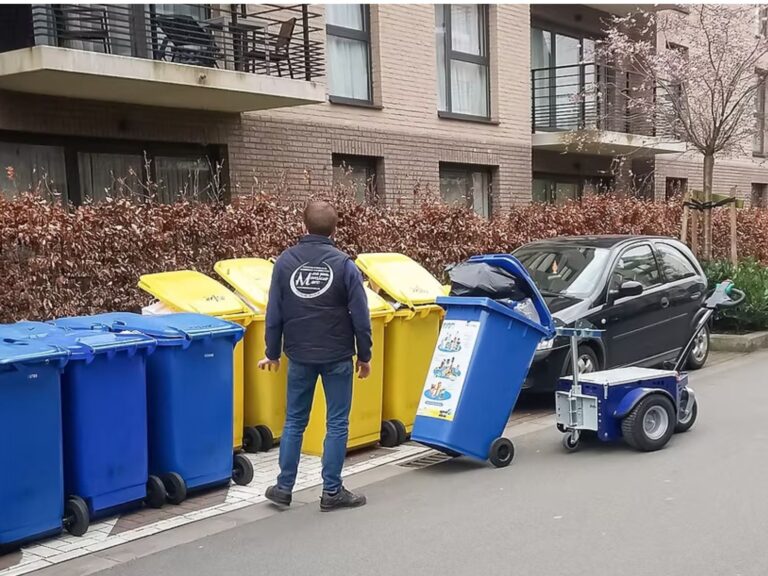
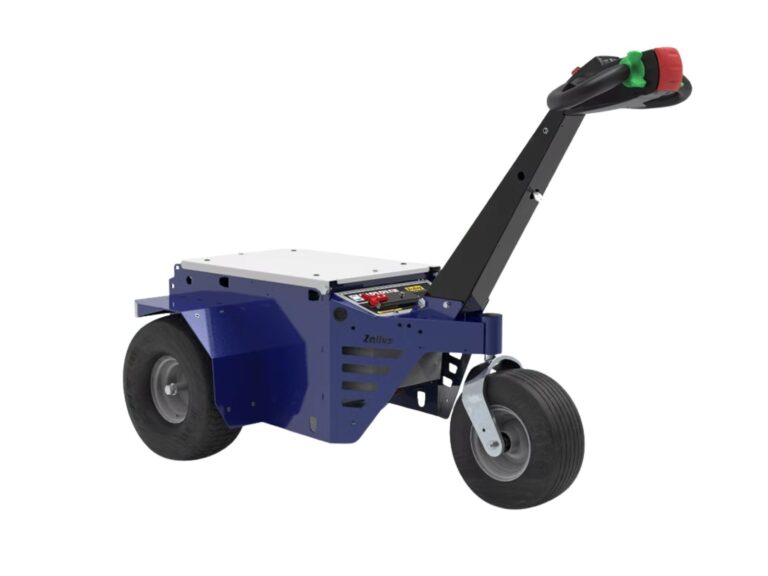
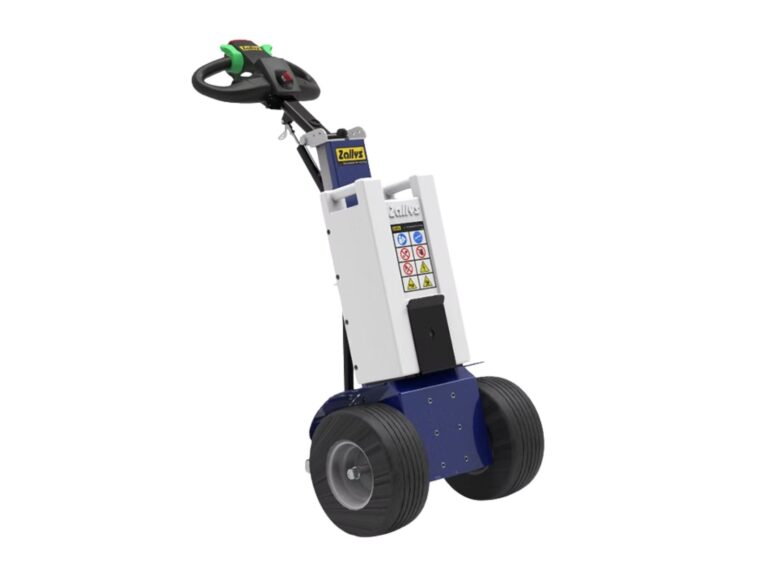
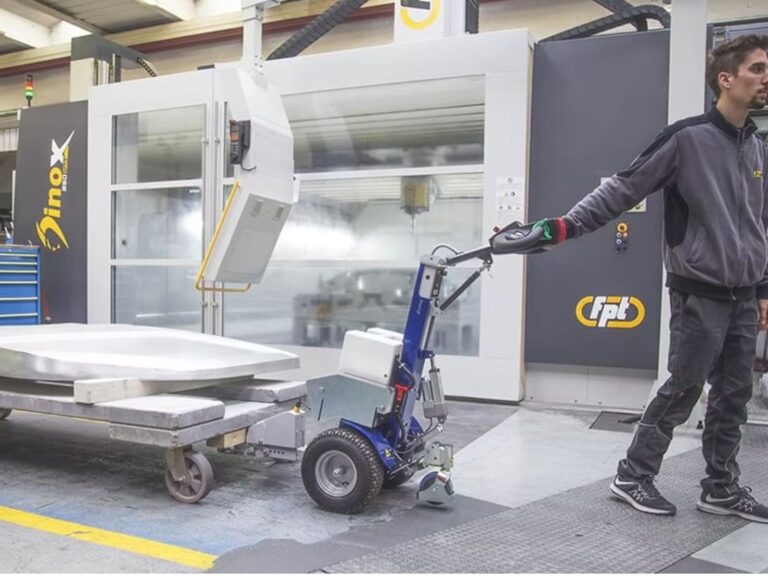
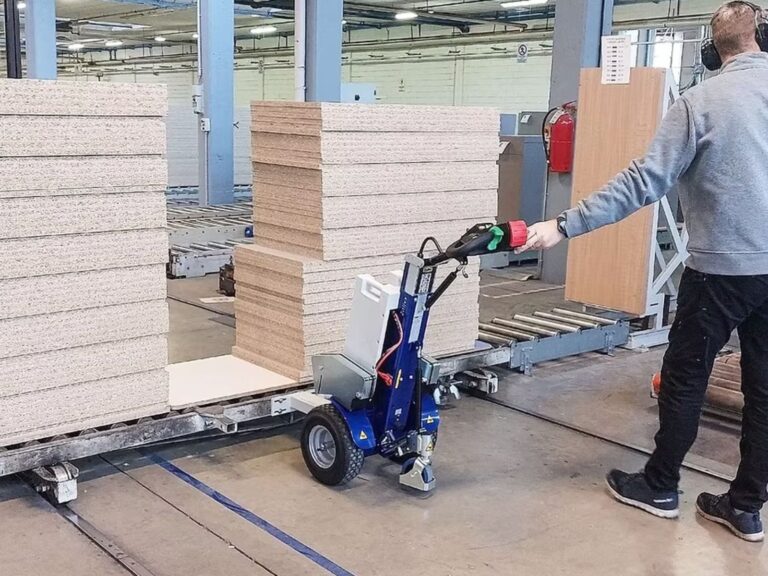
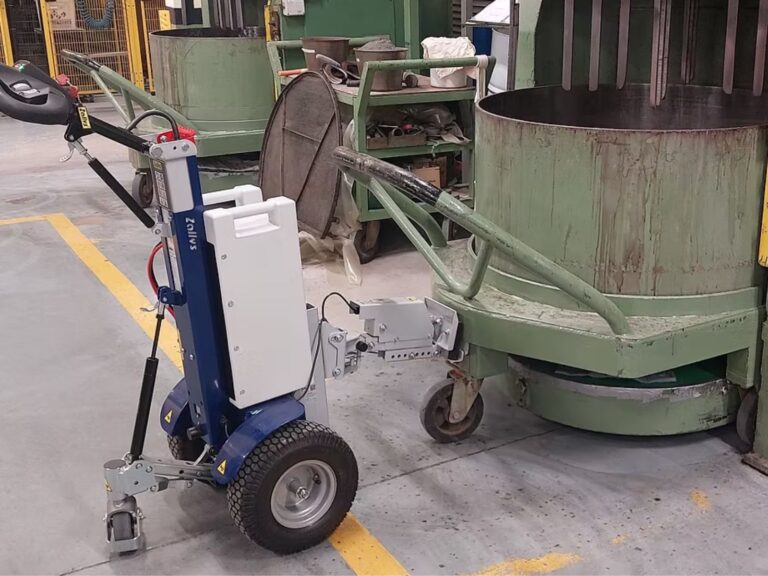
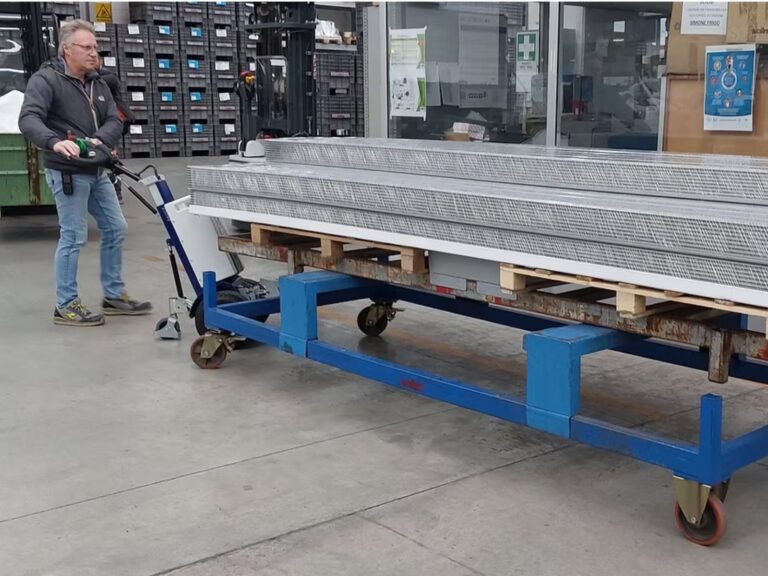
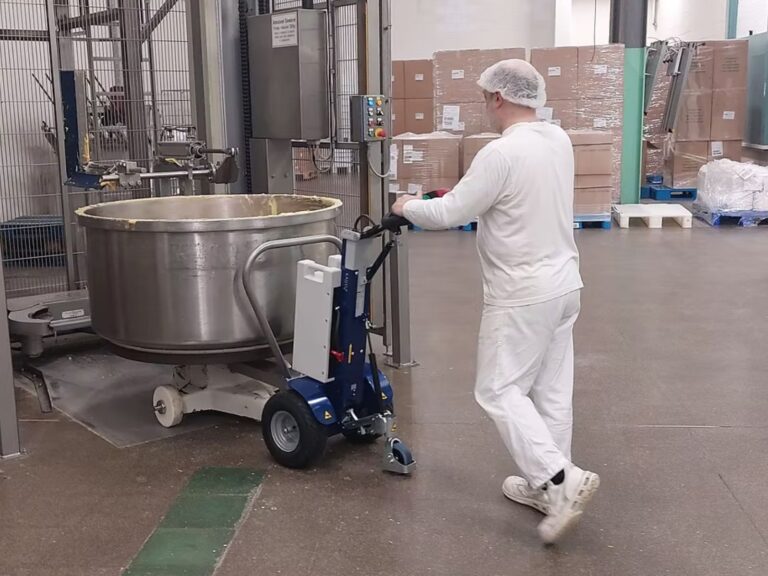
This small electric tug can pull, push and steer wheeled loads of up to 1,500 kg with ease.…
| Power | Electric |
|---|---|
| Range | Up to 12 miles |
| Towing Capacity | 1,500 kg |
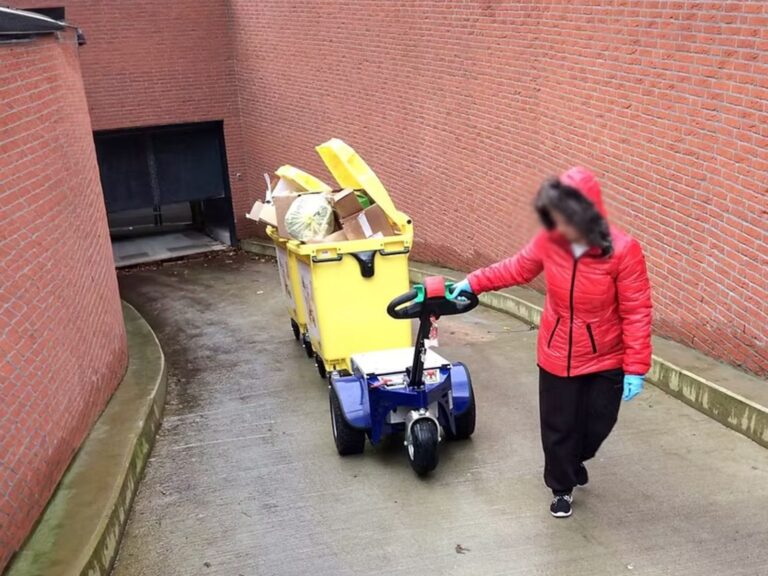
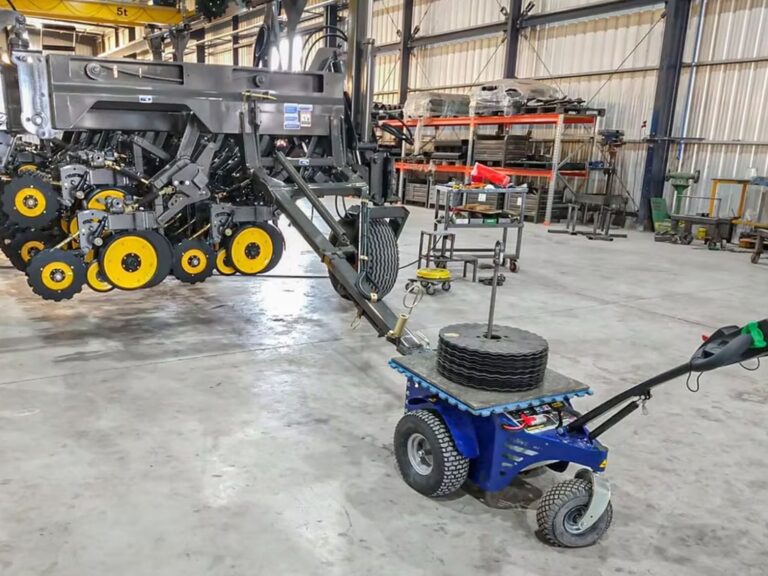
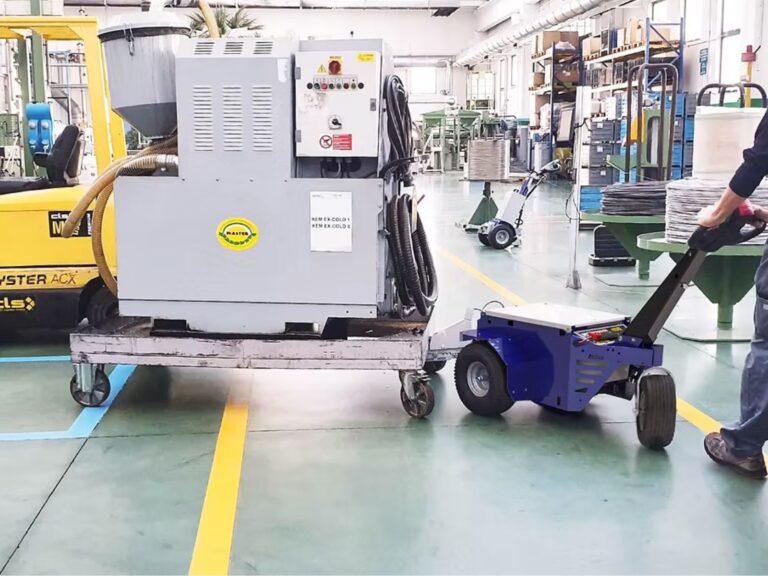
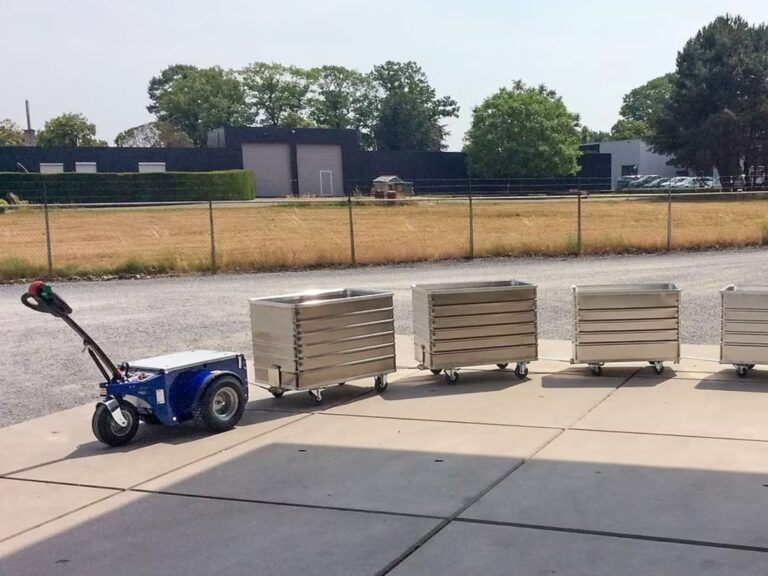
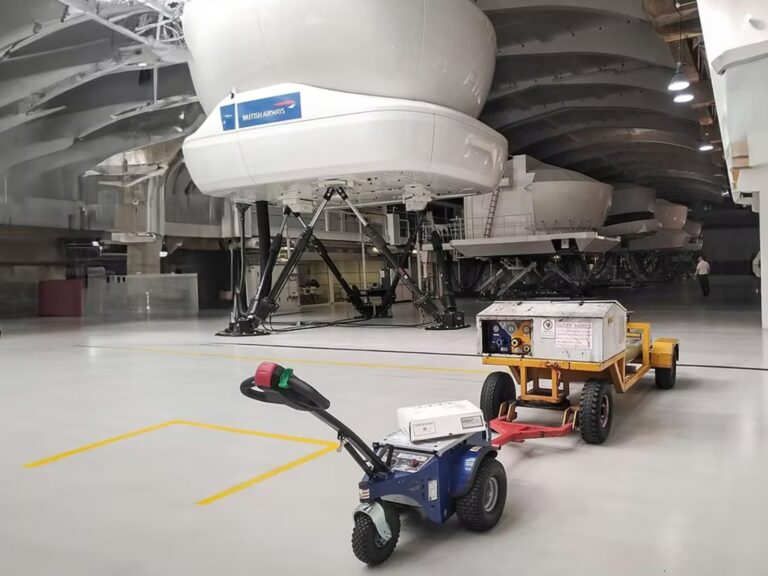
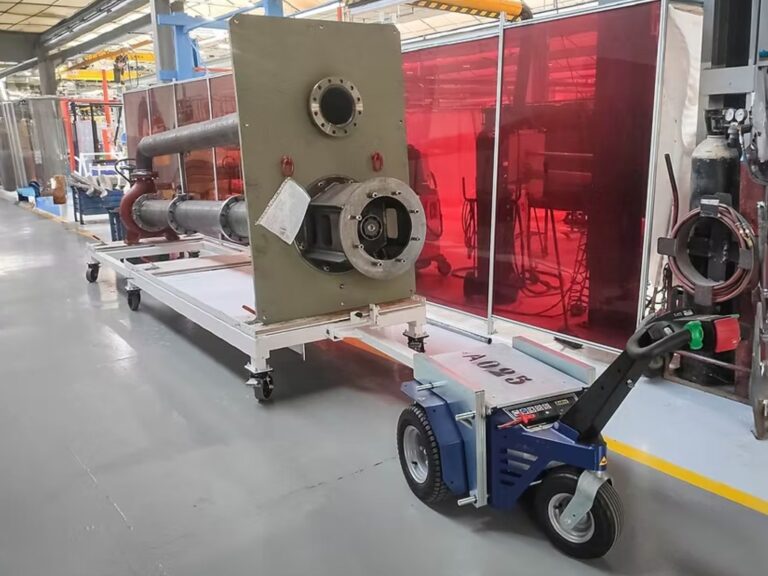
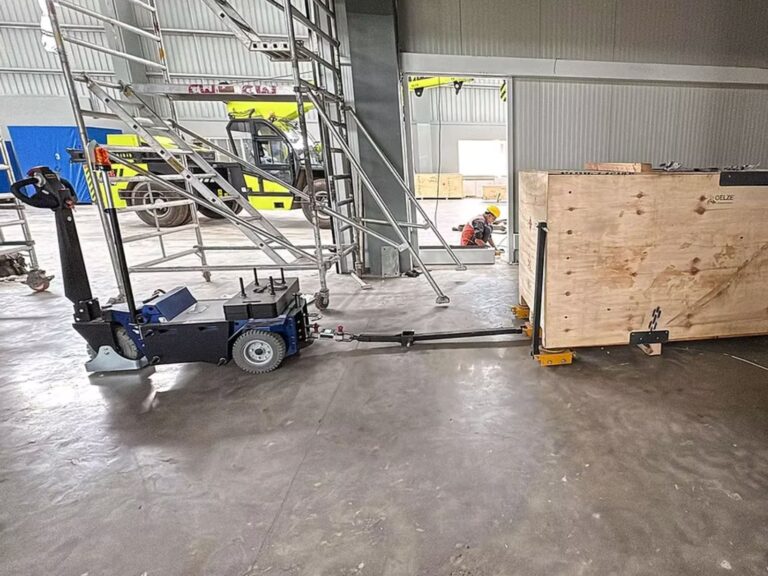
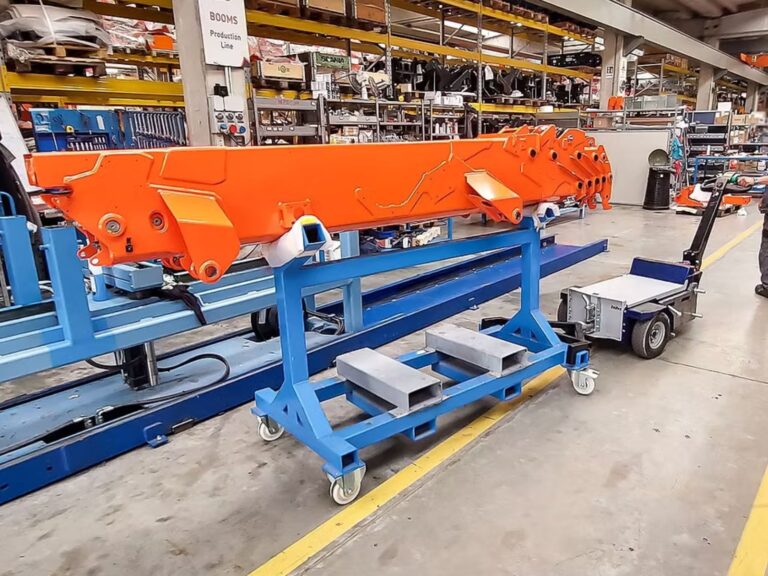
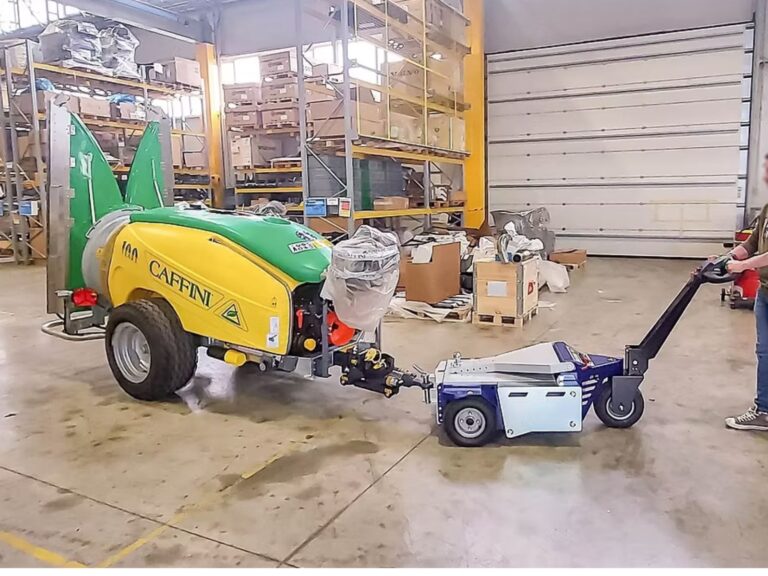
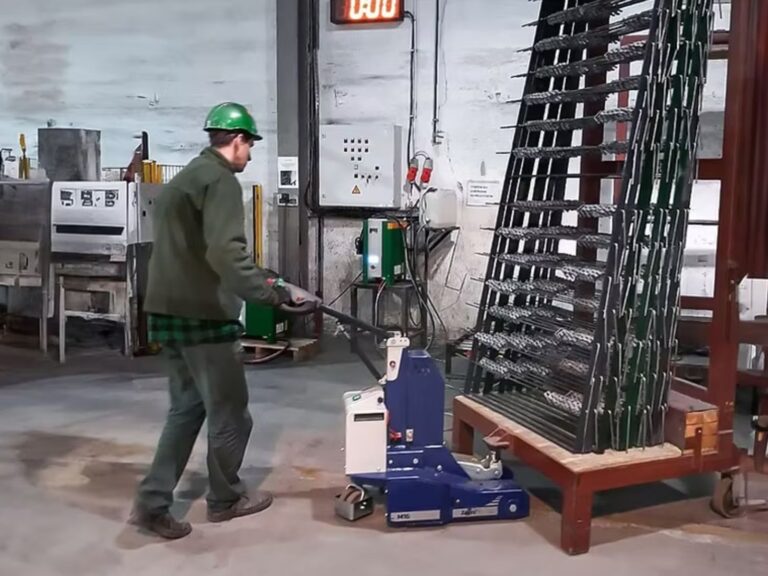
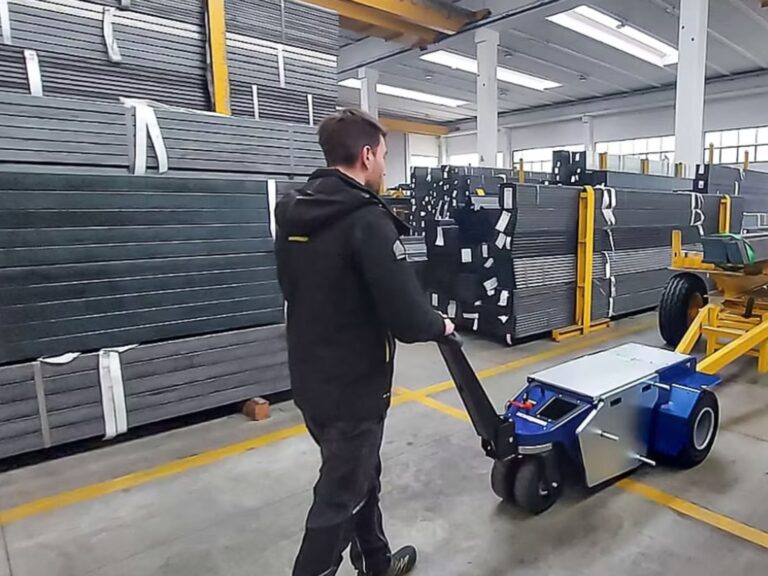
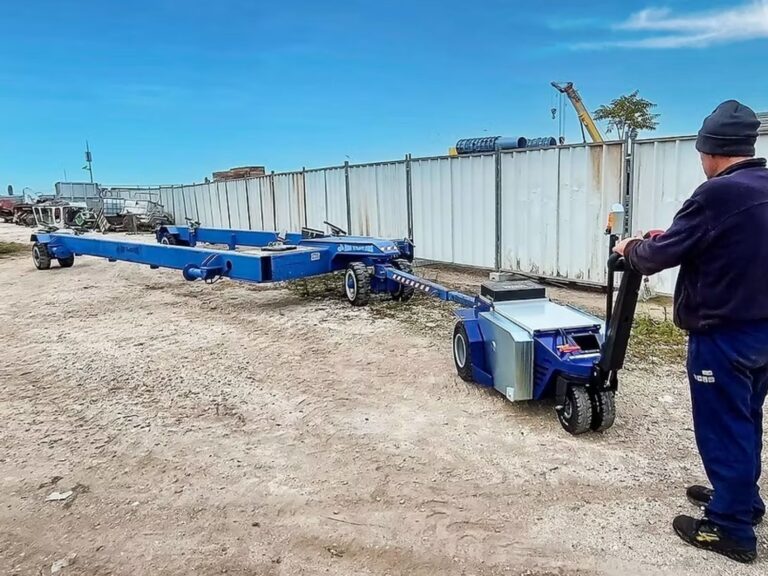
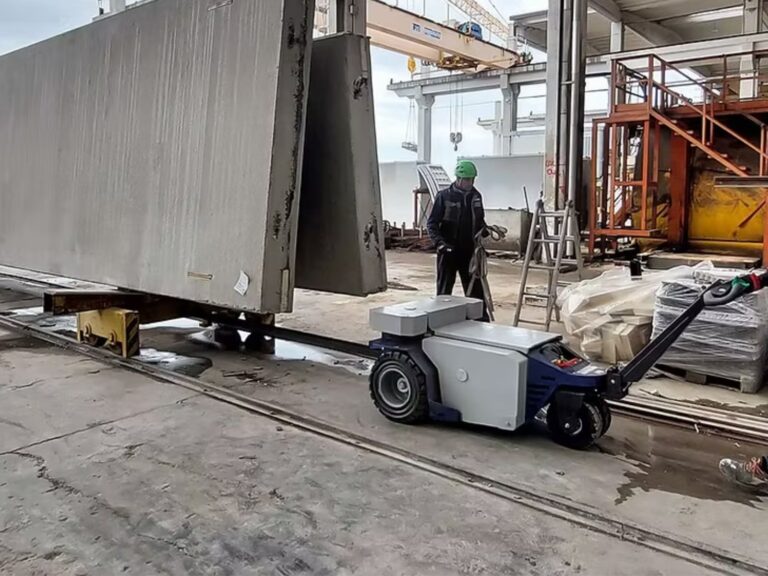
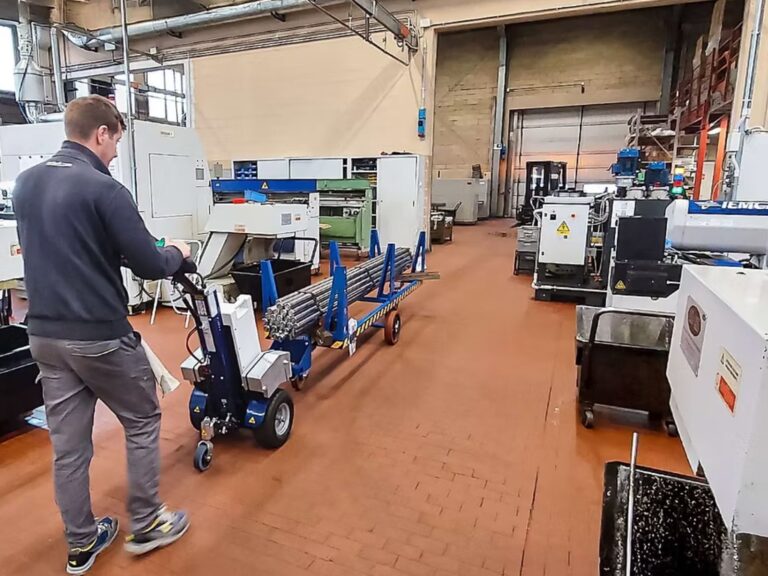
Our range of pedestrian-controlled electric tugs provides an efficient solution for moving heavy wheeled loads around industrial, commercial and public environments. Designed to be operated by a walking operator, these compact electric tow tugs can push, pull and manoeuvre trailers, trolleys, bins and other equipment with minimal physical effort.

With towing capacities ranging from 1,500kg to 30,000kg, our electric pedestrian tugs offer solutions for everything from everyday materials handling to demanding industrial transport applications. Their compact design makes them particularly useful in confined spaces where larger vehicles may be impractical.
Moving heavy equipment manually can be time-consuming and physically demanding. A pedestrian-controlled electric tug helps reduce manual handling by allowing one operator to move substantial wheeled loads more easily and efficiently.
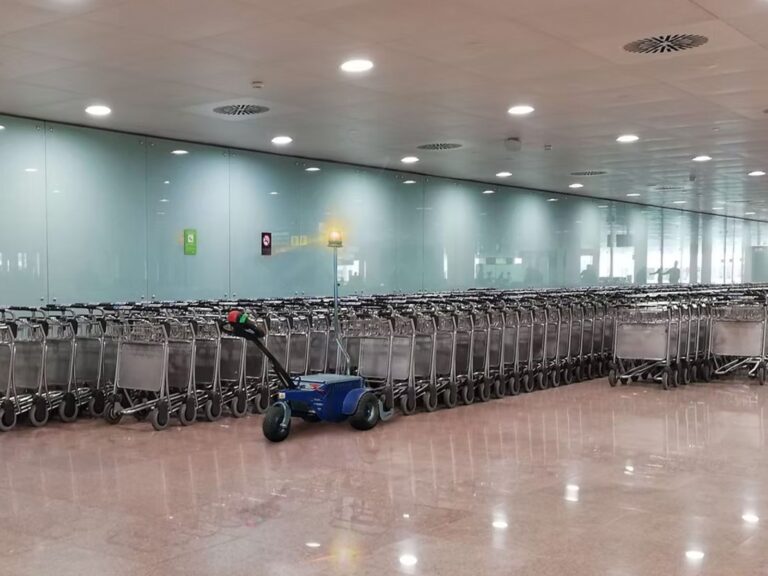
Our range includes models for different load weights and working environments, with options to suit warehouses, manufacturing facilities, hospitals, airports, railway depots, councils and grounds maintenance teams.
Showing all 8 vehicles
This small electric tug can pull, push and steer wheeled loads of up to 1,500 kg with ease.…
| Power | Electric |
|---|---|
| Range | Up to 12 miles |
| Towing Capacity | 1,500 kg |
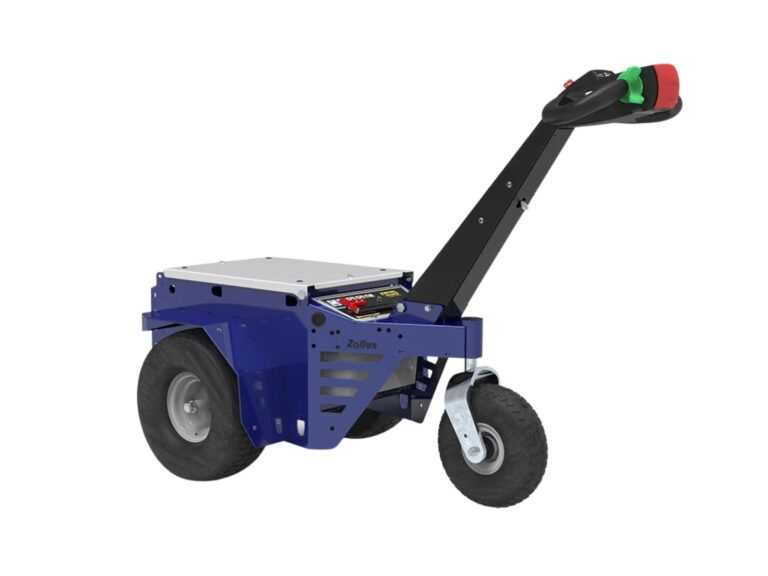
The Jobmaster pedestrian electric tug is a compact and easy-to-handle electric tug for trolleys, ideal for effortlessly towing…
| Power | Electric |
|---|---|
| Range | Up to 12 miles |
| Load Capacity | 300 kg |
| Towing Capacity | 3,000 kg |
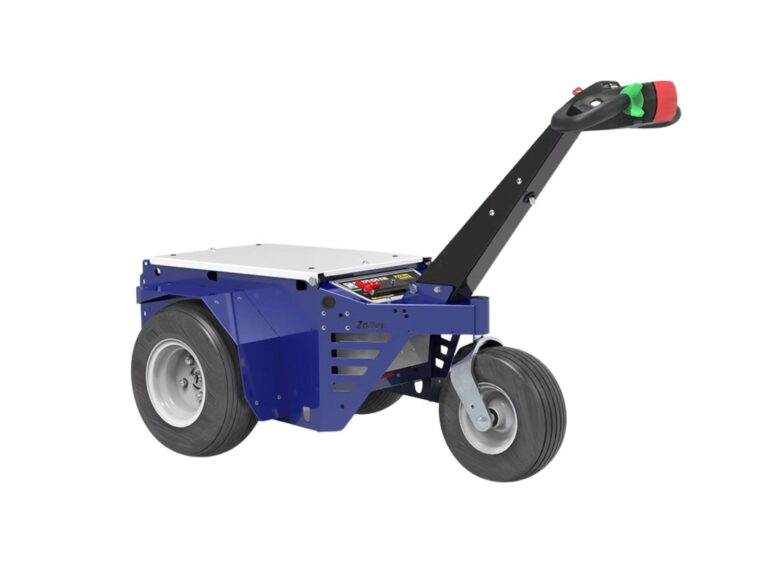
The Jobmaster Electric Trolley Mover is a compact and practical electric tug suitable for towing and pushing trolleys…
| Power | Electric |
|---|---|
| Range | Up to 12 miles |
| Load Capacity | 300 kg |
| Towing Capacity | 3,000 kg |
The Jobmaster HD is a compact, powerful electric pedestrian tug designed to move heavy wheeled loads safely and…
| Power | Electric |
|---|---|
| Range | Up to 12 miles |
| Load Capacity | 500 kg |
| Towing Capacity | 4,000 kg |
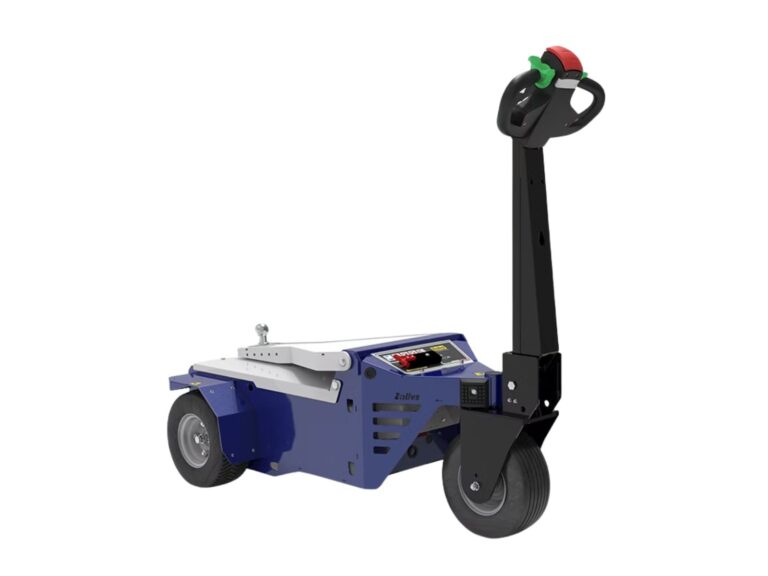
6,000kg tow capacity pedestrian controlled tug. Small maneuverable, reliable and very powerful. The jobmaster pedestrian tow tug is…
| Power | Electric |
|---|---|
| Range | Up to 12 miles |
| Load Capacity | 500 kg |
| Towing Capacity | 6,000 kg |
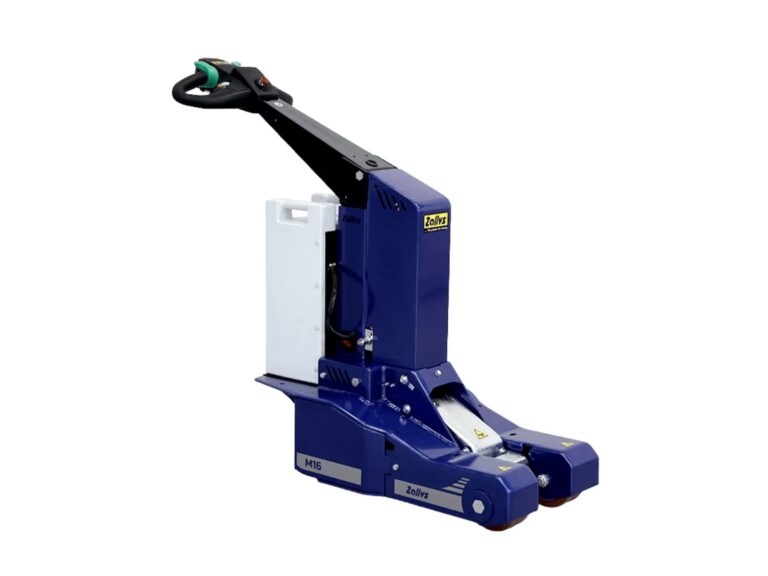
This small electric tug can pull, push and steer wheeled loads of up to 6,000 kg with ease.…
| Power | Electric |
|---|---|
| Range | Up to 12 miles |
| Towing Capacity | 6,000 kg |
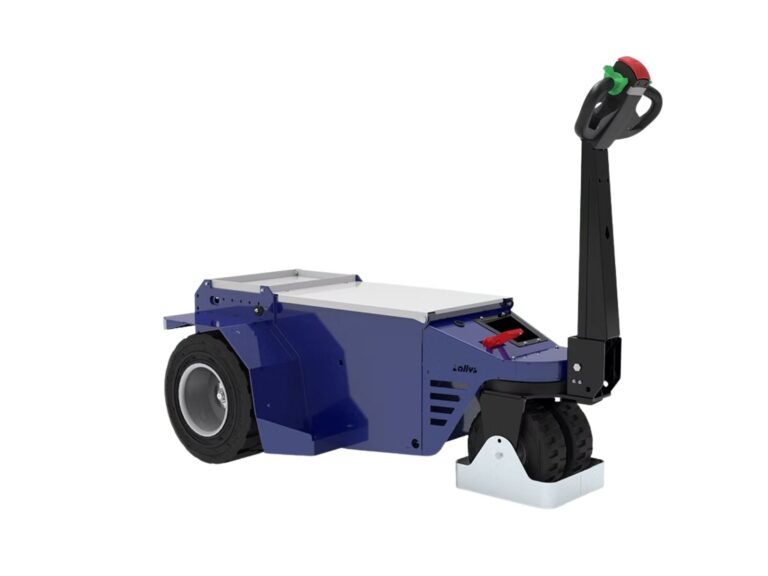
Pedestrian operated electric tug mainly designed for towing wheeled loads up to 10,000 kg on flat grounds. The…
| Power | Electric |
|---|---|
| Range | Up to 12 miles |
| Load Capacity | 500 kg |
| Towing Capacity | 15,000 kg |
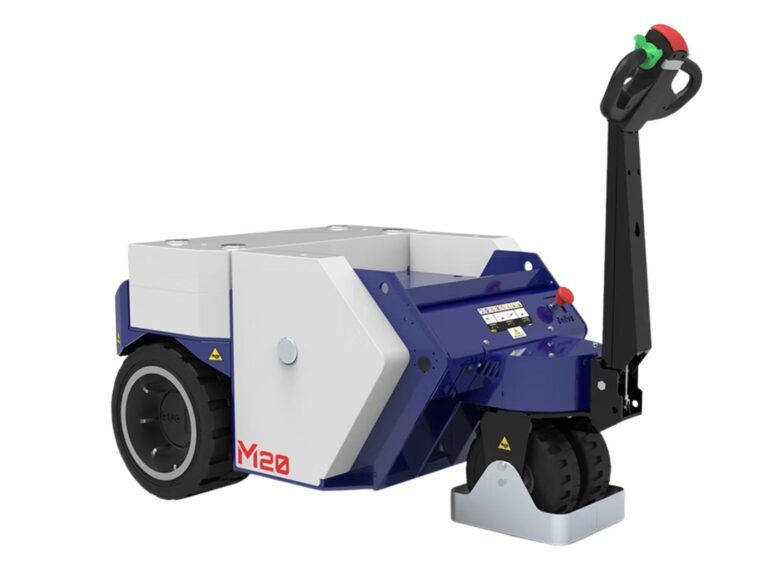
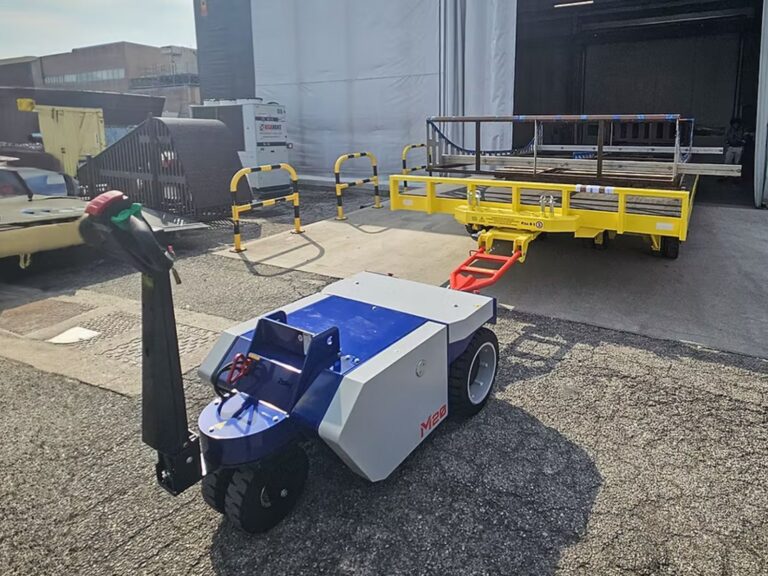
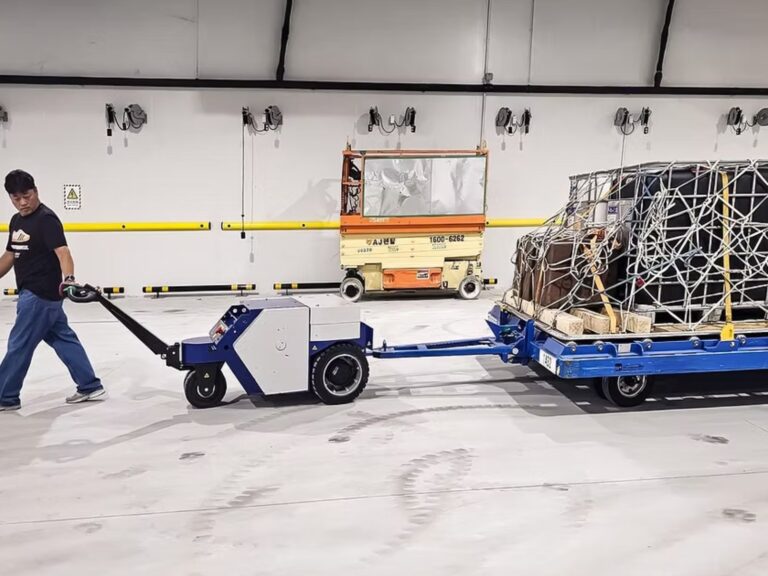
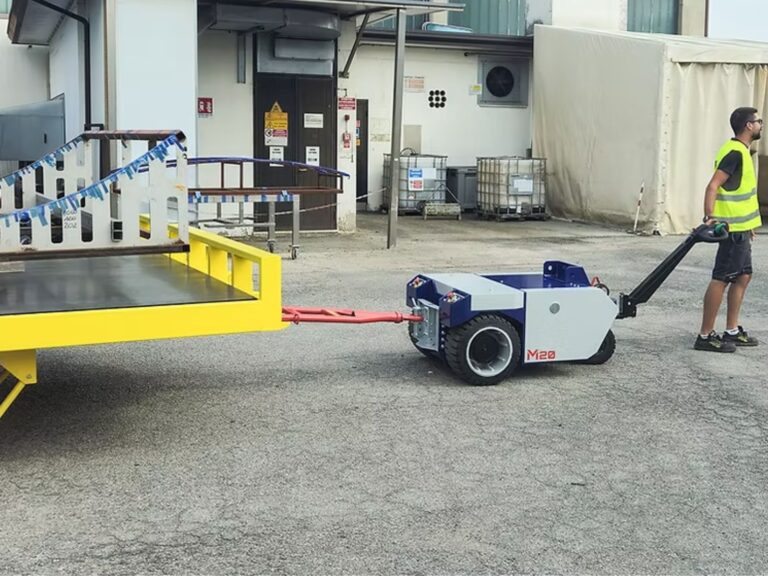
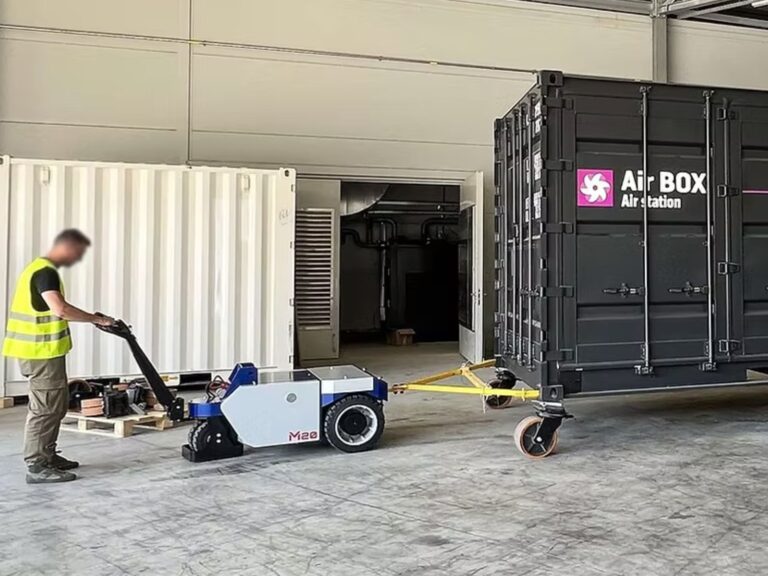
The M20 electric pedestrian tow tug is a robust and powerful solution for towing heavy loads with ease…
| Power | Electric |
|---|---|
| Range | Up to 12 miles |
| Towing Capacity | 30,000 kg |
No vehicles match your filters. Try adjusting or clearing your selection.
Every operation has different requirements, which is why our electric pedestrian tow tugs can be configured to suit the loads being moved. Depending on the model, options include bespoke towing hitches, load cages, toolboxes, trailers and additional safety equipment.
Whether you need to move waste bins, roll cages, production trolleys or heavy industrial equipment, choosing the right tug depends on the weight of the load, the type of coupling required, available space and the surface conditions.
Our team can help you assess your application and identify a suitable electric tug, with towing capacities available up to 30,000kg across the range.
From compact tugs for lighter duties to heavy-duty models for demanding industrial environments, ePowerTrucks offers a range of electric towing solutions designed to make moving loads easier.
Contact our team to discuss your requirements, explore the available configurations and arrange a demonstration of a pedestrian-controlled electric tug suited to your operation.
The right tug depends on four things: the heaviest load you need to move, the space you are working in, the floor surface and gradients on the route, and how the tug will couple to your trolleys or trailers. Getting these right at the start avoids buying a machine that struggles on a ramp or will not fit through a doorway.
Start with your heaviest regular load, including the weight of the trolley or trailer itself, then allow some headroom. Capacities below are for flat, firm ground; gradients and rough surfaces reduce what any tug can safely move.
Because the operator walks with the machine, a pedestrian tug can work in corridors, lifts, narrow aisles and loading bays where a ride-on tractor or forklift will not fit. Width matters most in tight buildings: the M 16 is just 464mm wide and the M 12 is 548mm, while the Jobmaster SD is 720mm. If you are working in a hospital or a building with lifts, tell us the narrowest doorway and lift size on the route.
All models are designed for flat, firm surfaces such as warehouse floors, tarmac and paving. Ramps, loading bay slopes and uneven yards are where most problems occur, so we recommend a site visit or route walk before you choose. Wheel and tyre options, extra ballast and the choice of model can all help with traction on gradients and outside.
The range runs on 24V battery systems giving up to 12 miles per charge, enough for most single shifts. Real-world range depends on the load, the number of stops and starts, and the gradients on the route. Charging is from a standard 240V supply, so the tug can be plugged in overnight or between shifts.
The way the tug connects to your load is as important as its capacity. Options include pin and ball hitches, automatic couplings for trolleys, dedicated bin hitches and bespoke attachments for specific trailers. Send us a photo of the equipment you want to move and we will advise on the right coupling.
Electric tugs replace pushing and pulling by hand wherever heavy wheeled loads are moved regularly. Common applications include:
The cost of an electric tug depends mainly on its towing capacity, battery specification, hitch type and any custom options. Rather than a one-size price list, we quote for the configuration that suits your loads and site, so you only pay for what you need.
We also provide servicing and repairs and operator training, so your tug stays safe and reliable after delivery. Contact our team for a quote or to arrange a demonstration on your site.
Yes. We offer short and long term hire, which is a good way to trial a machine on your site or cover a busy period. Finance and leasing are also available if you want to own the tug but spread the cost.
Yes. Battery power means no exhaust fumes at the point of use, so they are suitable inside warehouses, hospitals and shopping centres, and they also work on outdoor hardstanding such as yards, roads and paths.
Employers must make sure anyone using work equipment is adequately trained. Pedestrian tugs are simple to operate, and we provide operator training on delivery or at any time afterwards.
Yes. We offer planned maintenance and repairs across the UK to keep your tug safe and reliable.
Up to 12 miles per charge, which covers most single shifts. Charging is from a standard 240V supply; the Jobmaster HD, for example, takes around four hours to recharge after a full day’s work.
Price depends on towing capacity, battery specification, the hitch or coupling and any custom options such as cages or trailers. A light-duty model for single trolleys costs considerably less than a 30,000kg industrial unit. Get in touch with your load details and we will quote for the right configuration.
Our range covers towing capacities from 1,500kg up to 30,000kg on flat, firm ground. Slopes, soft ground and frequent stops reduce the practical capacity, so choose a model with headroom above your heaviest load.
It is a compact, battery-powered machine that pushes or pulls wheeled loads while the operator walks behind or alongside it. Speed, direction and braking are controlled from the handle, so one person can move trolleys, bins and trailers that would be too heavy to move by hand.
The terms are often used for the same thing. “Tugger” is more common in warehouse and manufacturing settings, often for a machine pulling a train of carts, while “tow tug” or “electric tug” is the broader term. All the models on this page are walk-behind tugs; for longer routes, see our ride-on tow tugs.
Features vary by model but typically include an emergency stop, a safety reverse (belly) switch on the handle, speed control and automatic braking when the controls are released. We can add beacons, warning lights and other options to suit your site rules.
Many sites have a ramp or loading bay slope somewhere on the route. Whether a tug can handle it safely depends on the gradient, the load and the surface. We recommend a route walk or on-site demonstration so we can check before you commit.